This augmented reality (AR) scene was captured at the gorgeous Luther Memorial church on the University of Wisconsin-Madison campus.
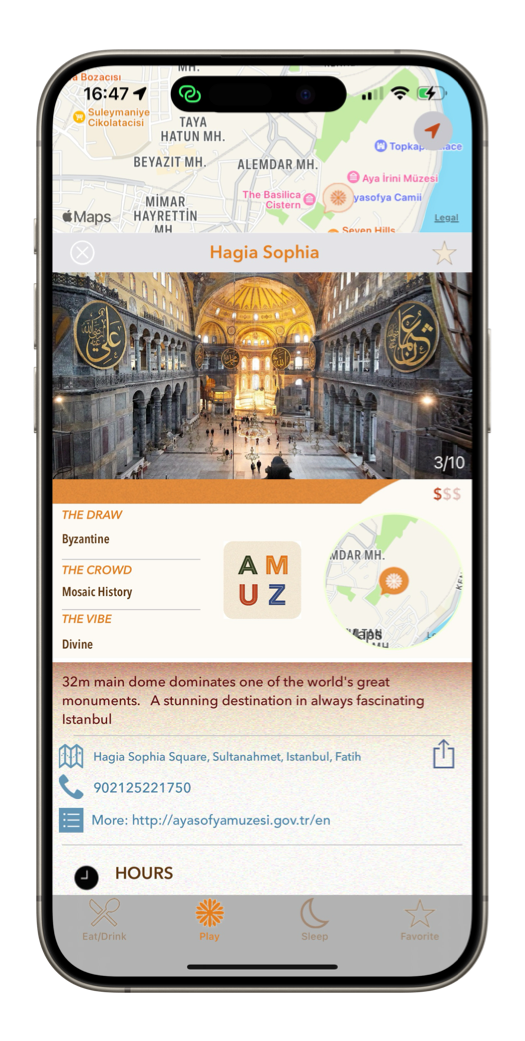
Tap to begin exploring in amuz. Enjoy!




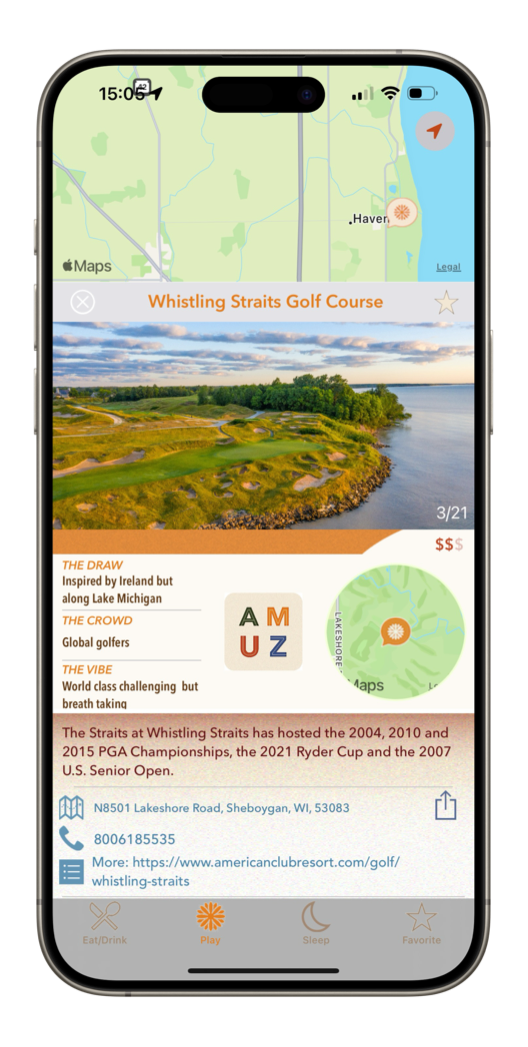

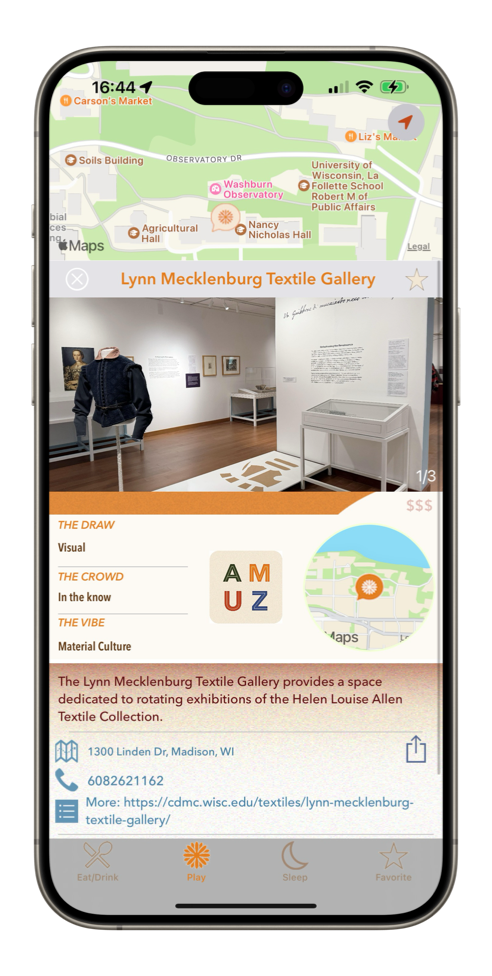

This exploration delves into "Autotopia," examining its implications for mobility in 2024 and beyond, while also tracing the history of roads and the supporting infrastructure. We analyze the evolution of mobility, from ancient pathways to modern highways, and speculate on future trends. By considering advancements in transportation technology, urban planning, and societal preferences, alongside infrastructure development, we gain insights into transformative changes shaping how we move. From shared mobility to sustainability initiatives, we explore the impact on society, the economy, and the environment. This examination offers a deeper understanding of Autotopia's driving forces and the opportunities and challenges it presents for individuals, businesses, and policymakers.mp3 audio
If you’ve recently been in the market for a new car or truck, chances are you’ve seen news about the growing popularity of electric vehicles (EVs). What are the benefits and drawbacks of driving electric? What would be the impact on overall U.S. emissions if more or all Americans were to choose an EV? Can the U.S. meet the increased demand for electricity needed to power EVs that has been seen in other countries? Who will become the world leader in EV production?Learn more at madlit.org
Join us online this Tuesday, Mar. 12, at 7 p.m. CDT as we moderate a live discussion with leading experts on electric vehicles. Afterward, the guests will take questions from the audience via live chat. You can join the livestream here, or request a reminder now to receive an email a half hour before the program starts. To watch past programs, check out the Wisconsin Alumni Association YouTube channel.
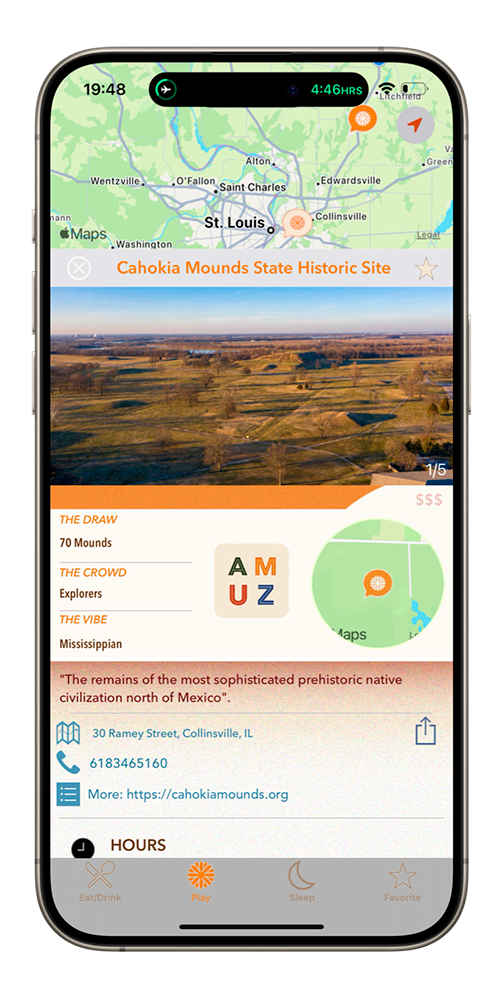
Advocates for the Mississippi River argue that the river is long overdue to have its own such program. Millions of people up and down a swath of the central United States rely on it for drinking water, commerce and recreation, and its floodplains provide food and habitat for hundreds of fish and wildlife species. But the river and its floodplain are facing a multitude of challenges, from extreme weather to habitat loss to persistent agricultural and industrial pollution. That pollution contributes to the Dead Zone in the Gulf of Mexico, which last year was almost as big as Yellowstone Park.Explore the mighty Mississippi with amuz VR scenes from the source in Northern Minnesota's Itasca Park to the mouth in Louisiana, and plenty of stops in between, including several mounds.


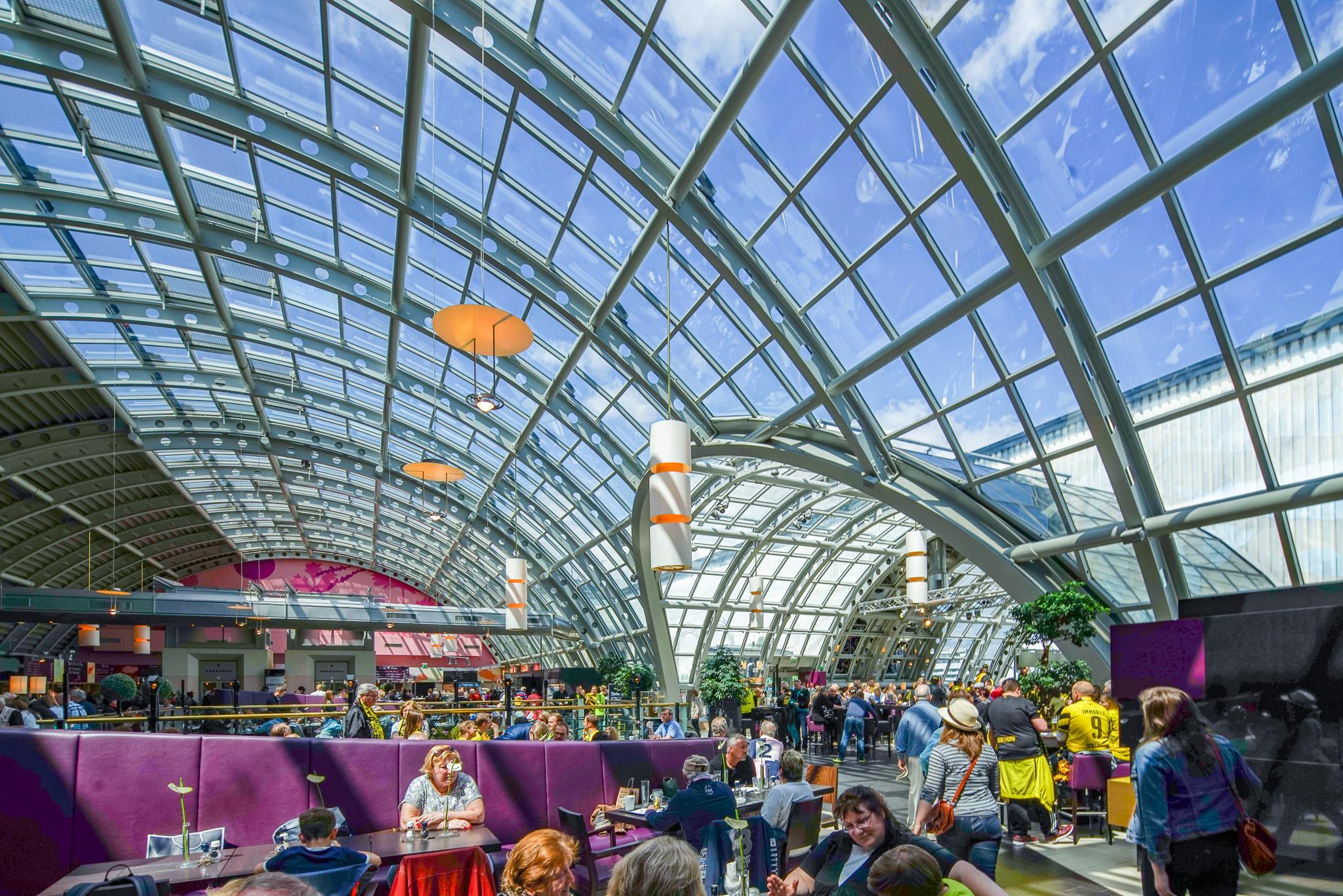
KaDeWe, Germany’s most famous and exclusive department store, filed for administration on Monday, becoming the latest casualty of René Benko’s crumbling property empire.
Management of the 116-year-old Berlin institution said that despite booming sales they could not afford to pay rising rents demanded by the Signa Group and the business needed urgent restructuring.
Signa co-owns the KaDeWe operating company with Thailand’s Central Group, but it separately owns the KaDeWe building. The steep increase in the valuation of the building under Signa’s ownership was justified by the rents that could be squeezed from its captive tenant.
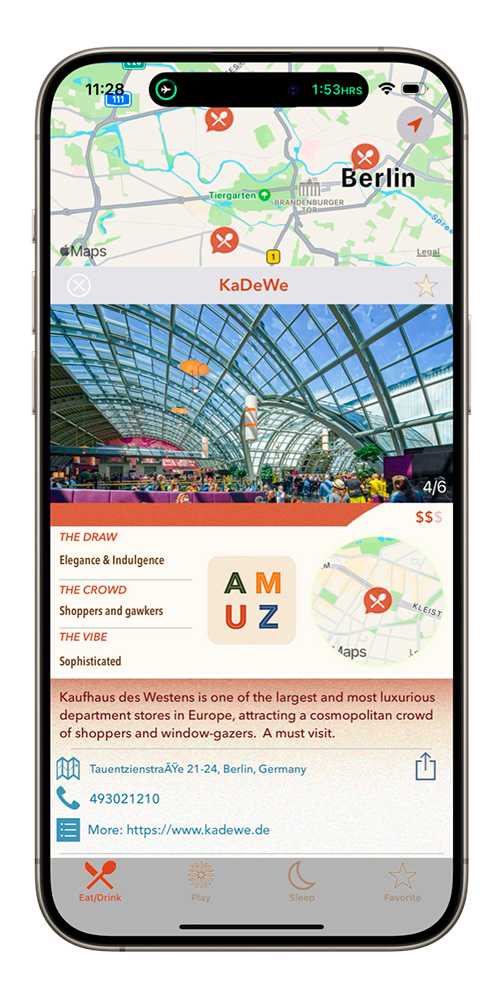
From then on, the KaDeWe earned an excellent reputation inside and outside Berlin through its huge product selection. Still in the opening year 1907, the King of Siam, Chulalongkorn, bought in the KaDeWe for two consecutive days. He is said to have spent 250,000 Reichsmarks at the time - at a time when the average salary in Germany was 1,000 marks per year.Explore Berlin's KaDeWe in amuz. VR, too.
Today, according to the company, up to 50,000 people visit the KaDeWe every day - in the Christmas season there are twice as many. Every day at 10 a.m., the original iron grille from 1907 rises for the customers. Like back then, the KaDeWe is also a consumer temple of superlatives today. With its 34,000 products on a shopping area of over 7,000 square meters, the legendary delicatessen department is considered the largest of its kind in Europe.
The KaDeWe has changed its face again and again in the twelve decades of its existence. A part of Berlin's city history is also reflected in every epoch.
The cosmetics association VKE makes accusations against the financially troubled KaDeWe Group. The luxury department store company, which filed for insolvency this week, has recently not paid numerous invoices or only after threat of legal action, said Association Managing Director Andreas Fuhlisch to the German Press Agency. The KaDeWe Group did not respond to requests for comments. Previously, the "Lebensmittel Zeitung" had reported.
Some properties, however, had a layer of debt on corporate shells that sat between the properties and the real-estate company, which itself had numerous layers of debt.
Benko’s 50% calculation typically omitted billions of dollars in liabilities that increasingly weighed on its finances. Called Genussscheine, a hybrid between debt and equity, it promised investors a share of any profits in a year from Signa companies or individual projects. Even though under German accounting principles it isn’t technically categorized as debt, interest was steep—in the high single digits—on some of these notes and they had to be repaid or refinanced upon maturity.