
Explore Madison in amuz.




The mother lode.






I've found that the trust stands are always worth a stop.
This Deerfield, WI self serve establishment offers visitors:
“He dawns on them like the morning light, like the sun shining forth on a cloudless morning.” - 2 Samuel 23:4

When I lived in Chicago one of my favorite ways to introduce visitors to the city was to take an architectural tour on the Chicago River. Windy City architecture is world class and a reflection of its vibrant history.
Open Door Chicago is a free public festival from the Chicago Architecture Center, which provides behind-the-scenes access to more than 200 architecturally, historically, and culturally significant sites across the city.
Every October, Open House Chicago attracts more than 35,000 visitors. The challenge comes in paring down one’s itinerary to fit the constraints of time and location. Many visitors aim to get to places that are rarely open to the public.
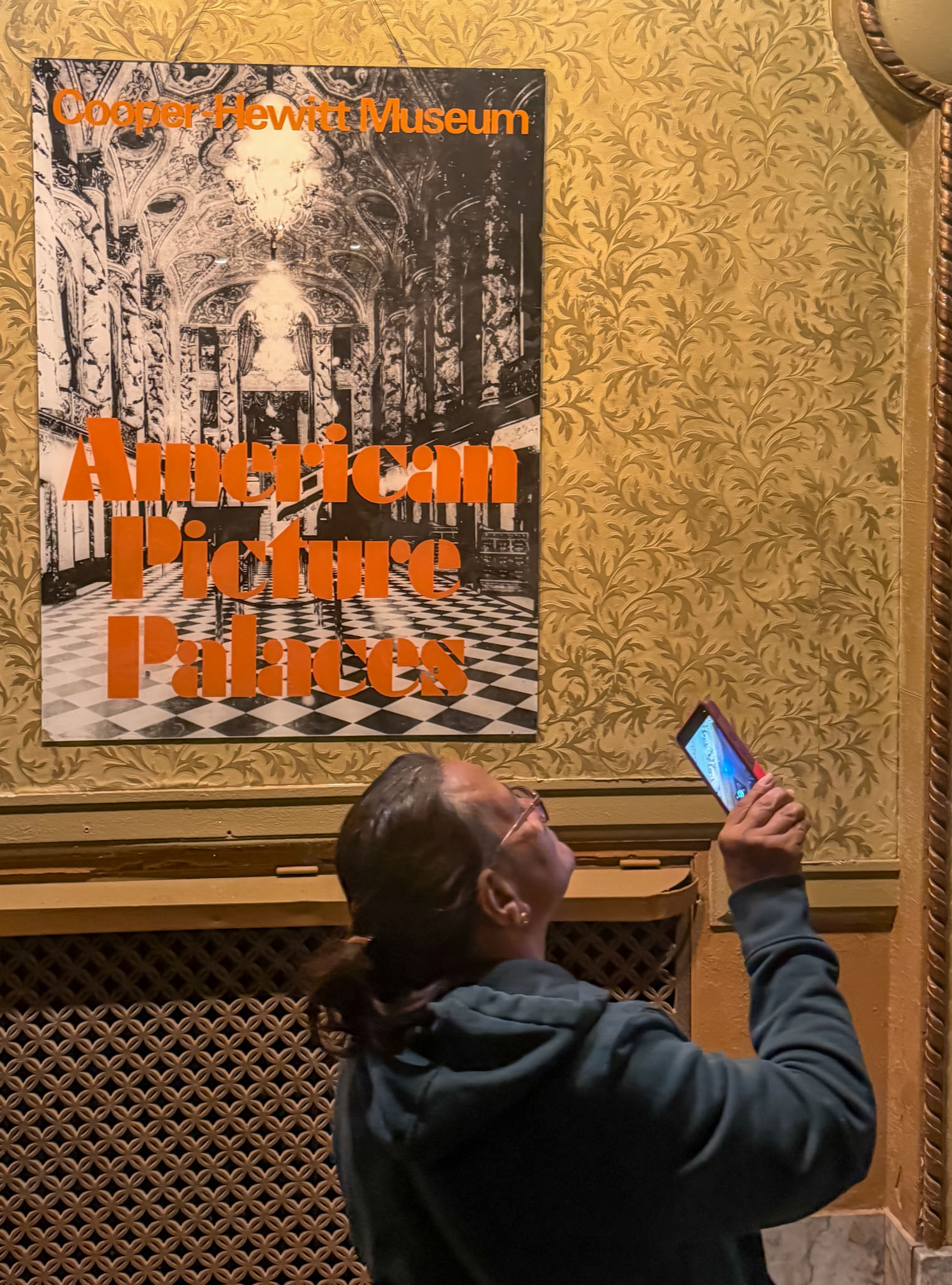
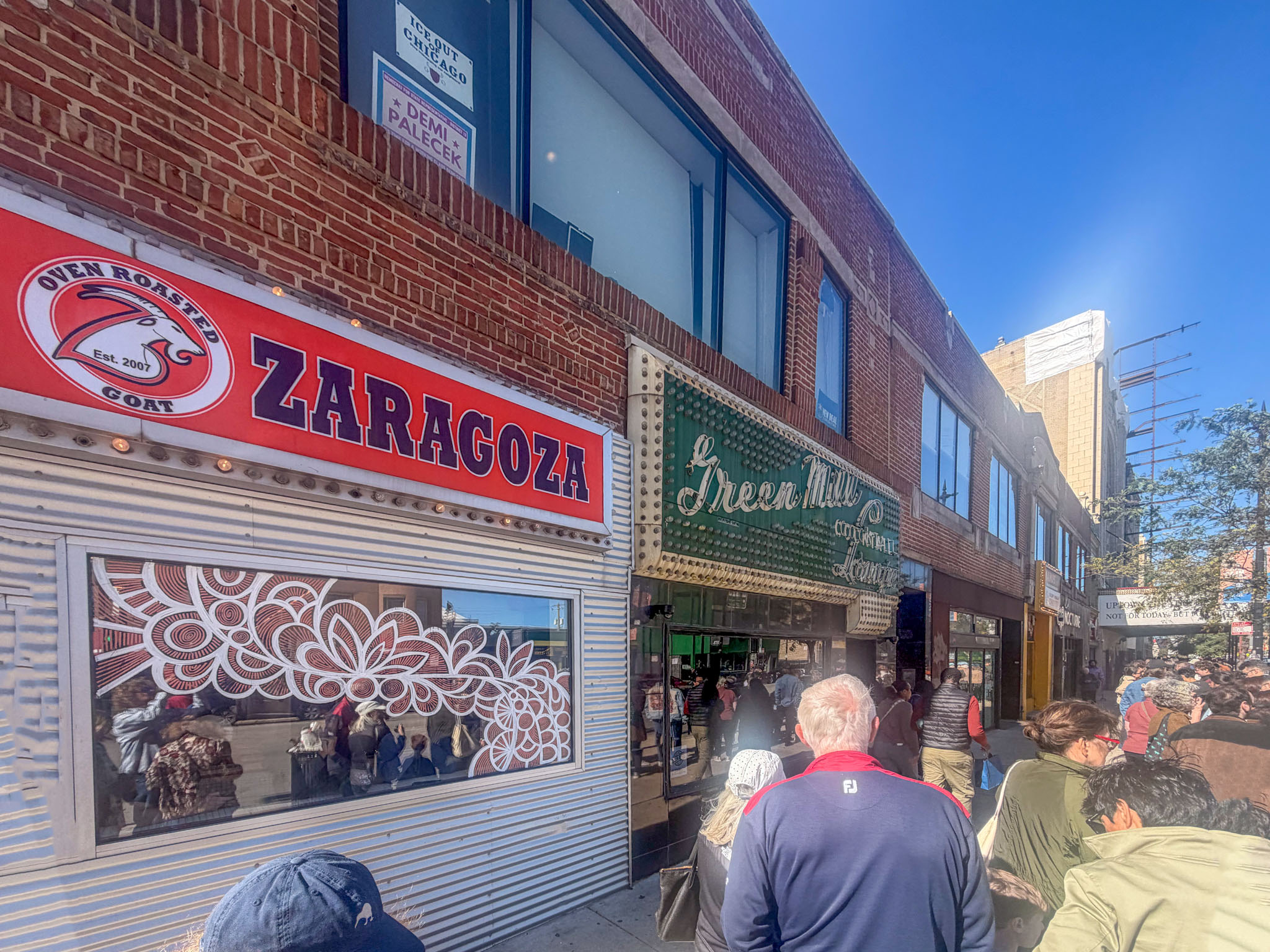
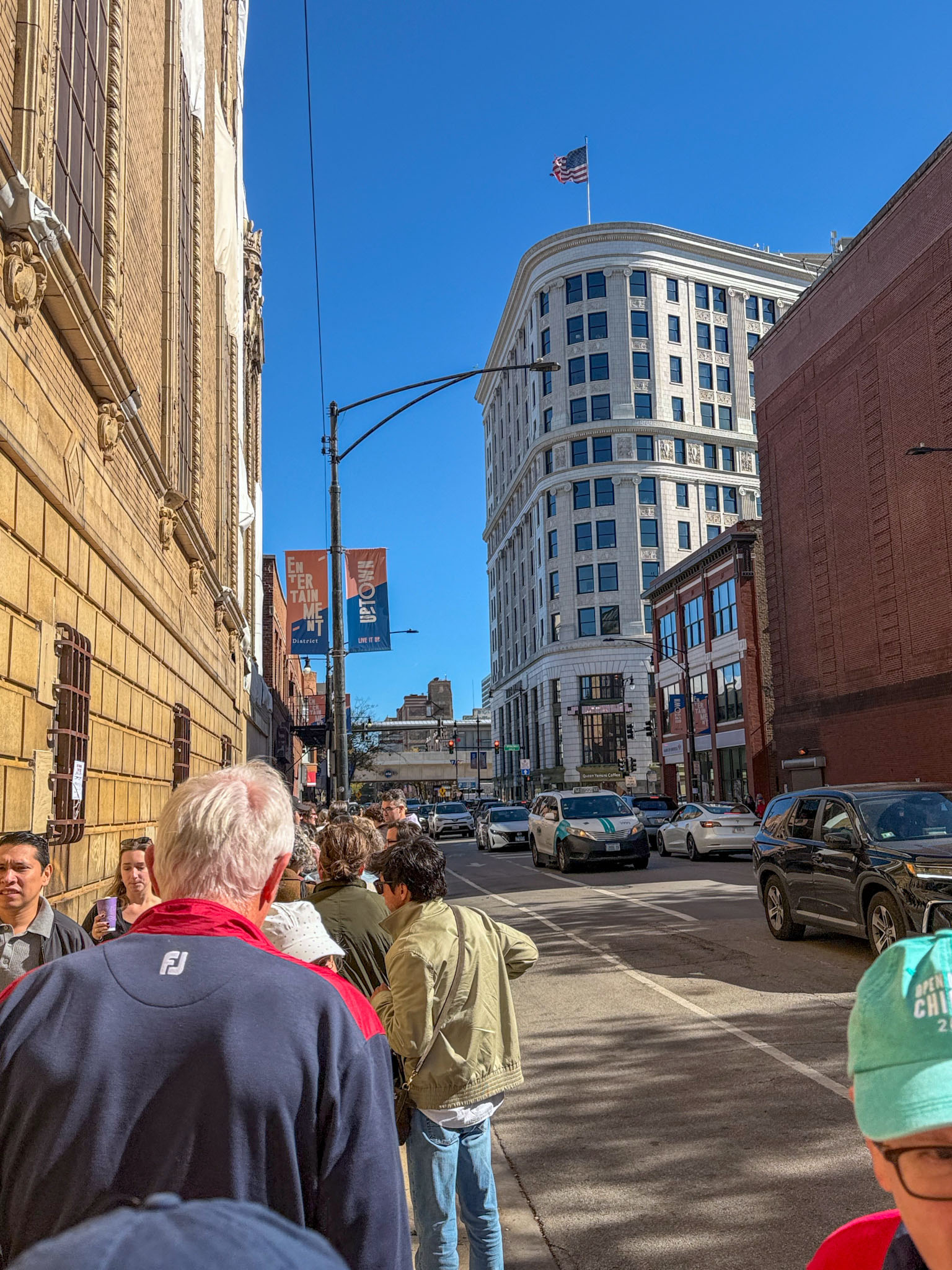
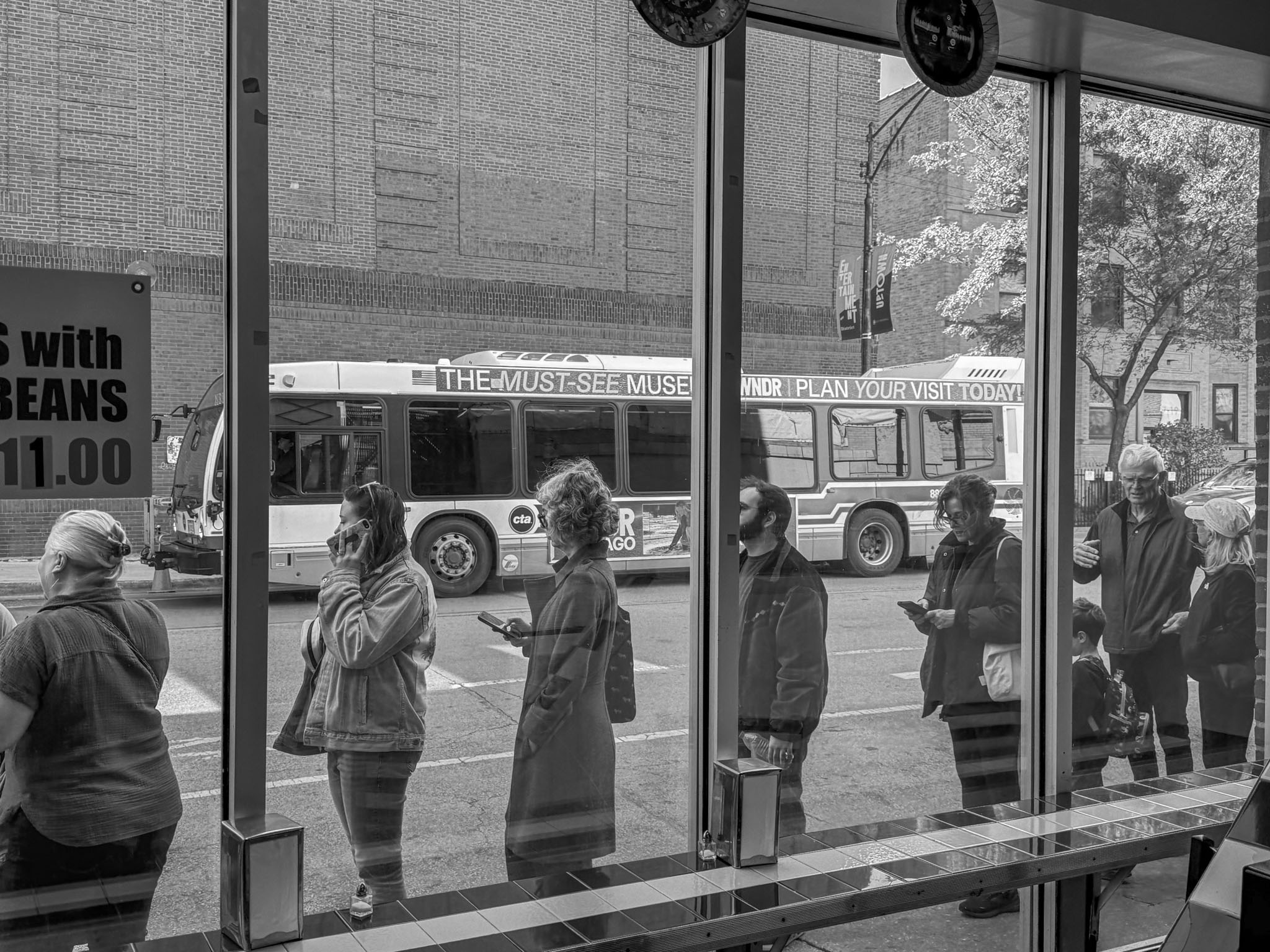
For us that meant waiting in a 40 minute line to enter The Uptown Theater.
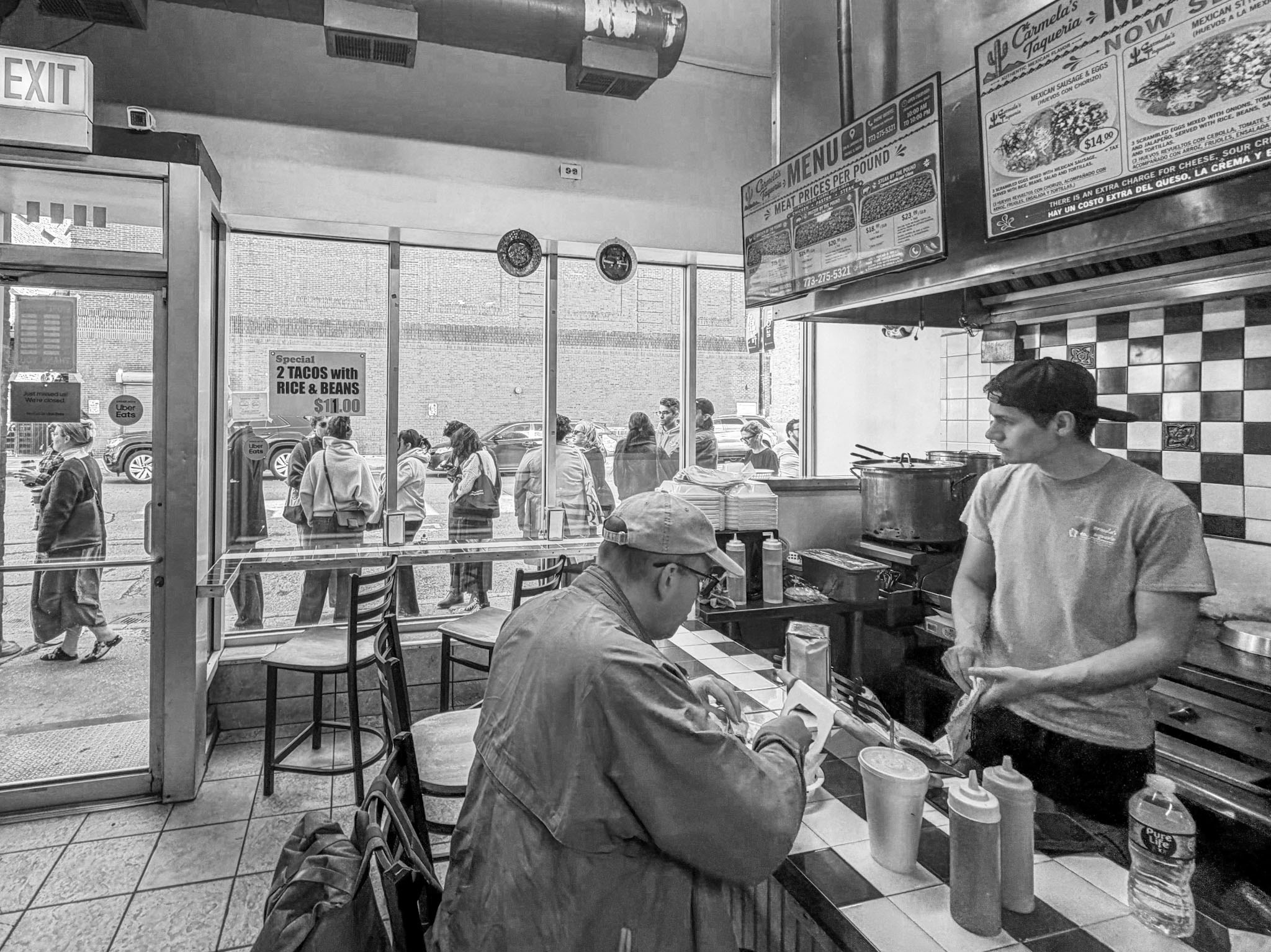
We enjoyed chatting with others and eating quesadillas from a nearby venue while waiting. We were fortunate our timing was good as The Uptown was very popular.
Here’s a plug to join the Chicago Architecture Center. Not only does membership aid their important mission, it facilitates faster entry via the “priority pass” line.
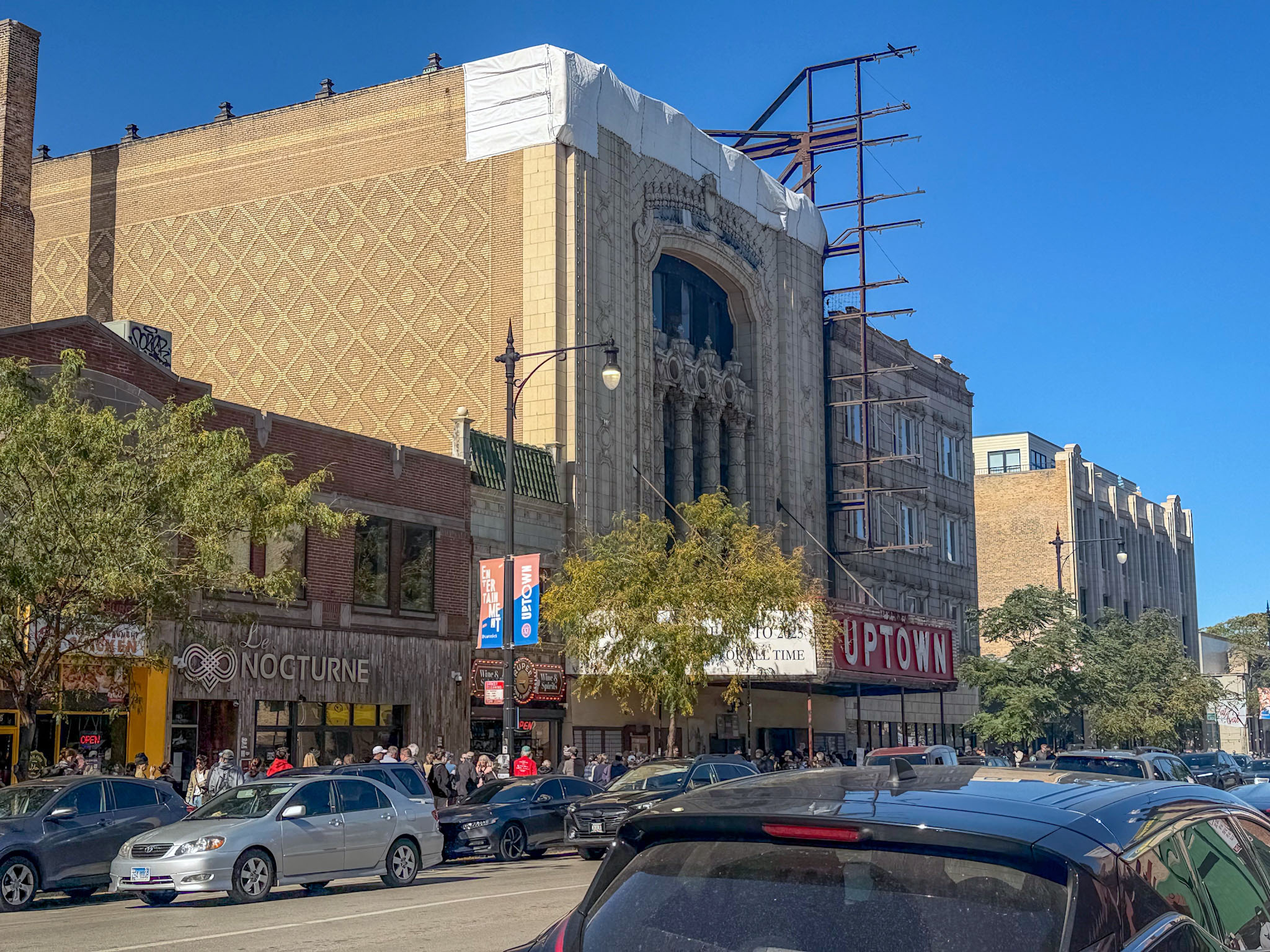
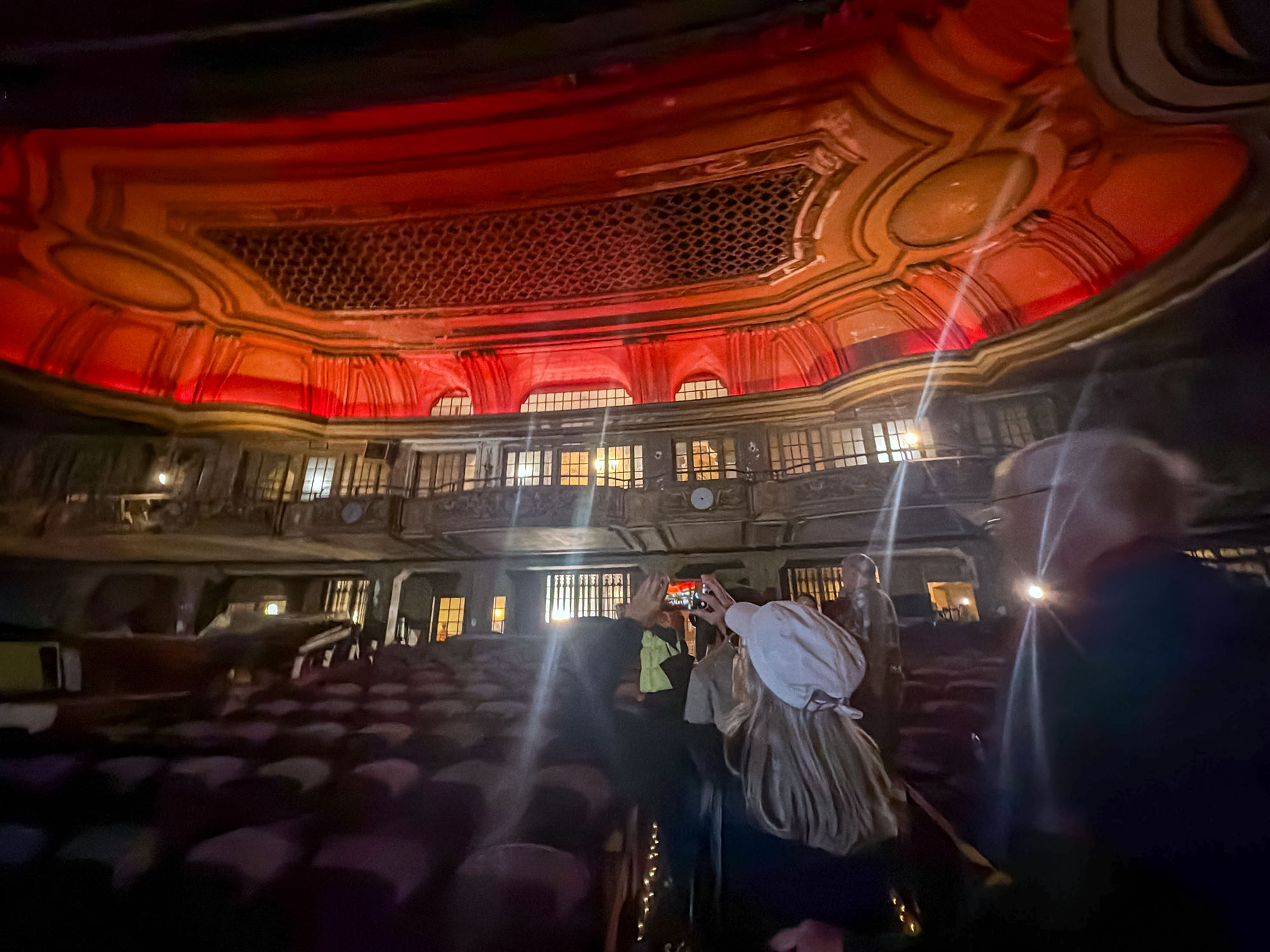
The Uptown Theater is massive. Located at 4816 N Broadway and built in 1925 as a regal movie palace, it claimed “an acre of seats” - enough for just shy of 4400 patrons. The goal was to make Chicagoans feel like they had stepped into another world. One can’t help but gawk at the size.
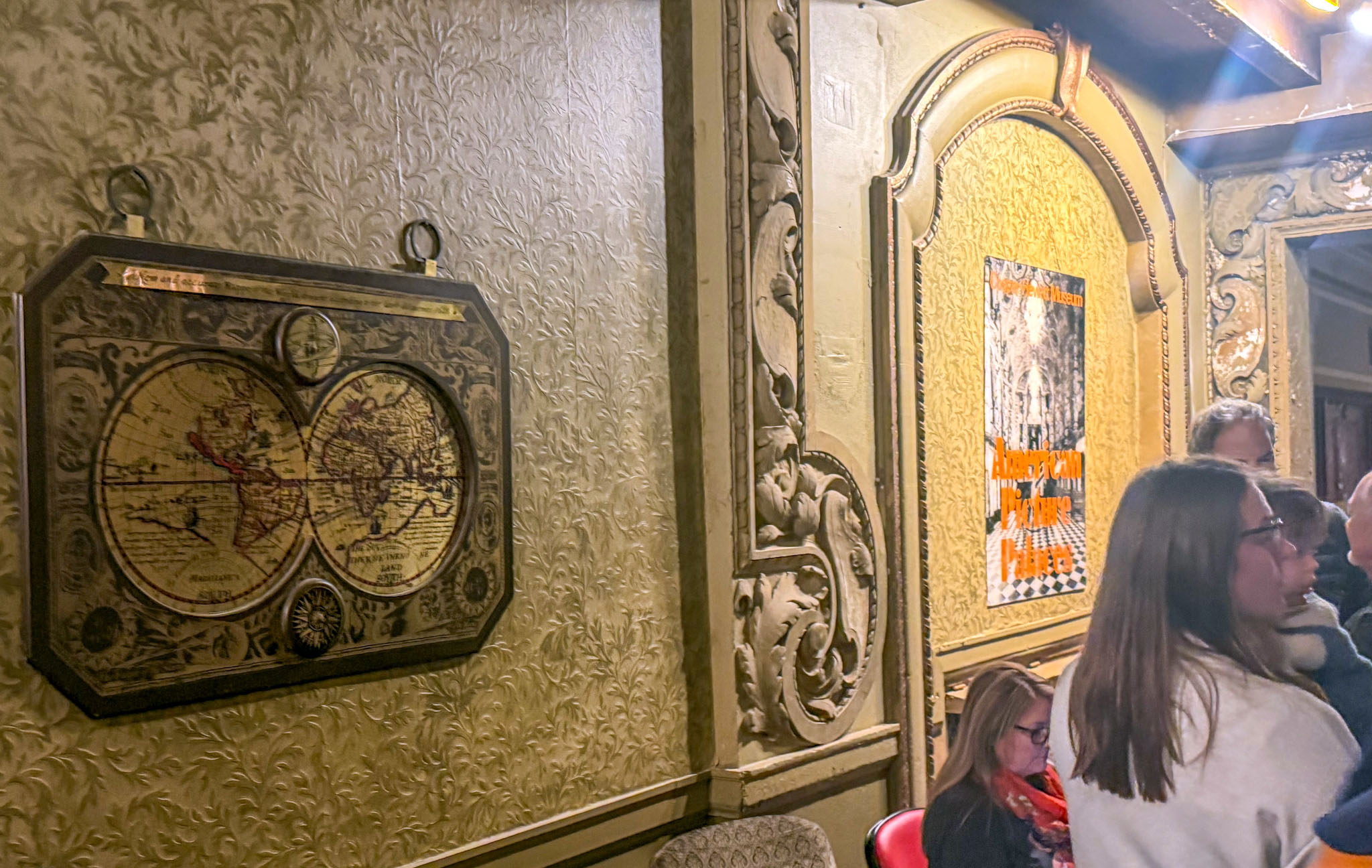
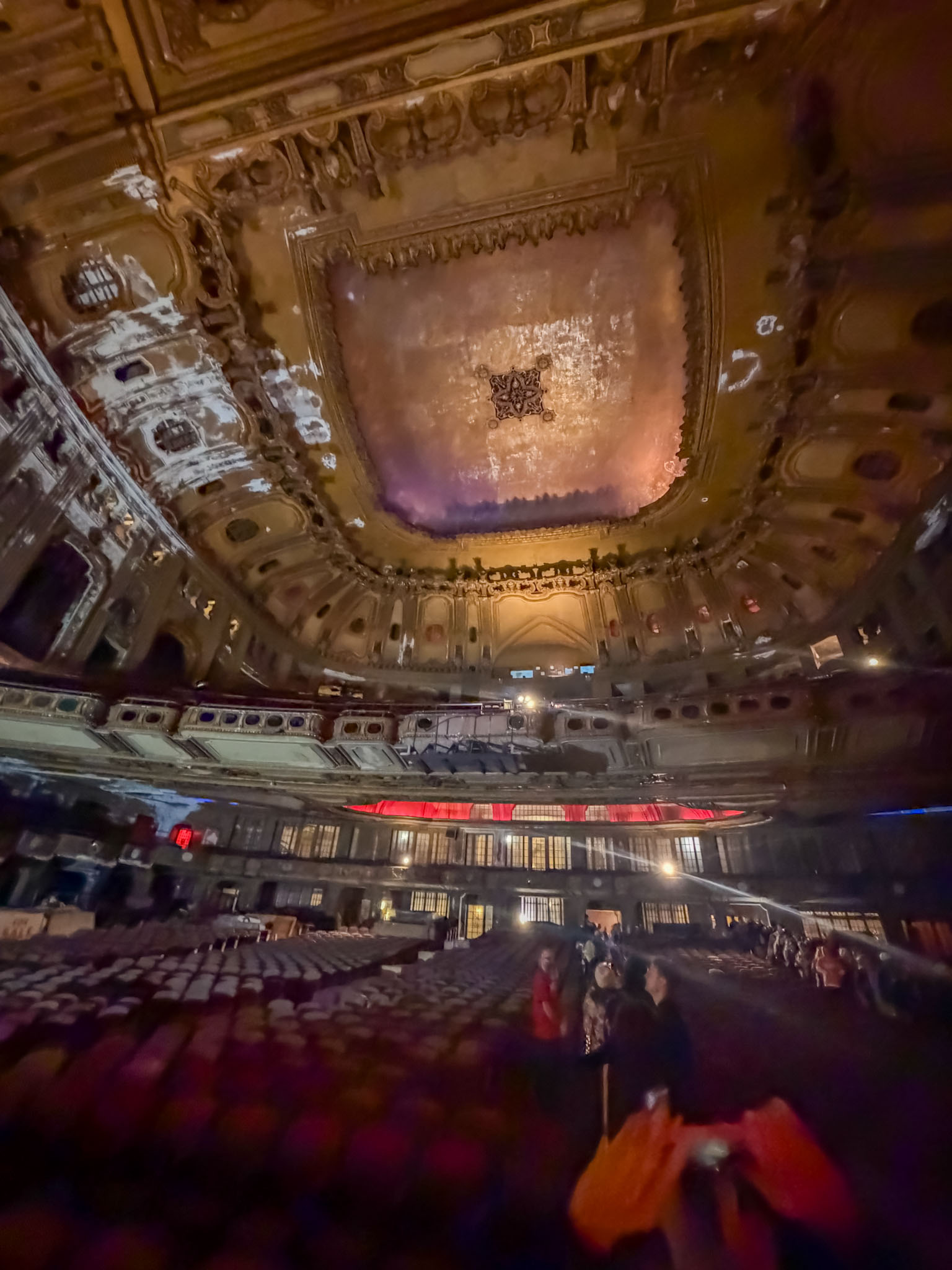
The Uptown was the crown jewel of the local entertainment corporation Balaban and Katz and renowned Chicago commercial architects Rapp and Rapp. Built in 1925, the Uptown is the largest freestanding theater in North America. Inspired by opulent palaces in Europe such as Versailles, the architects applied a Spanish Baroque Revival style. There is an abundance of marble and carved plaster. Across the ceilings were images of royalty, mythology and fantasy.
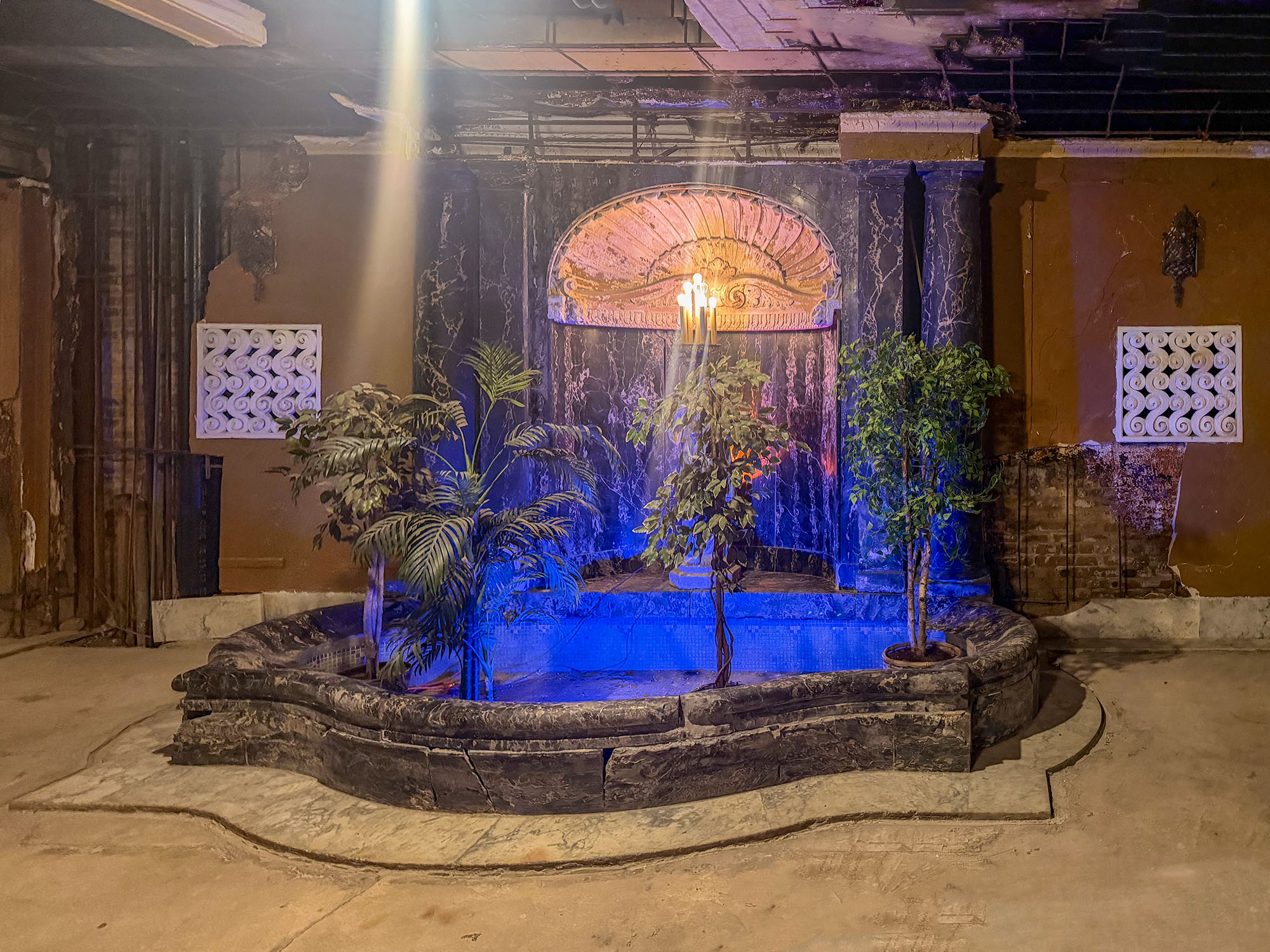
Over its 101 years the Uptown has been challenged by technical, financial and societal changes.
It was fun to hear volunteers briskly shepherding curious visitors through with building. We learned the Uptown may have started in the era of silent movies with organ accompaniment but it also hosted vaudeville, comedians, news reels and musical acts.
With decreasing revenue in the 1960s, the organ and many lavish paintings and statues were sold to help cover operating costs. The Uptown became a music venue in the 1970s. It hosted many great acts such as Bob Marley, Prince, Bruce Springsteen and The Grateful Dead. Sadly, the music stopped in 1981 with a final performance by The J.Geils Band.
If you anyone needs evidence that shared cultural experiences matter, tell that to the guy next to us who rhapsodized about his experience watching the Dead. You aren’t going to get that from Netflix.
Sadly, the building is in a race against time. There was an almost ethereal glow as shafts of light illuminated the lobby. The dimness outlined magnificence but also destruction. Left unheated for a period, the building suffered neglect and vandalism.
It is a little mind boggling to think about bringing a large historic building back. How glorious it would be for the Uptown neighborhood and city to reclaim some of its former grandeur.
The current owner, Jerry Mickelson of JAM Productions has worked to draw attention to the theater’s potential and raise funds for its eventual rebirth—estimated to require as much as $190 million [link]. Hopefully Open Door access will drive public interest in the capital campaign.

Timeline sources.

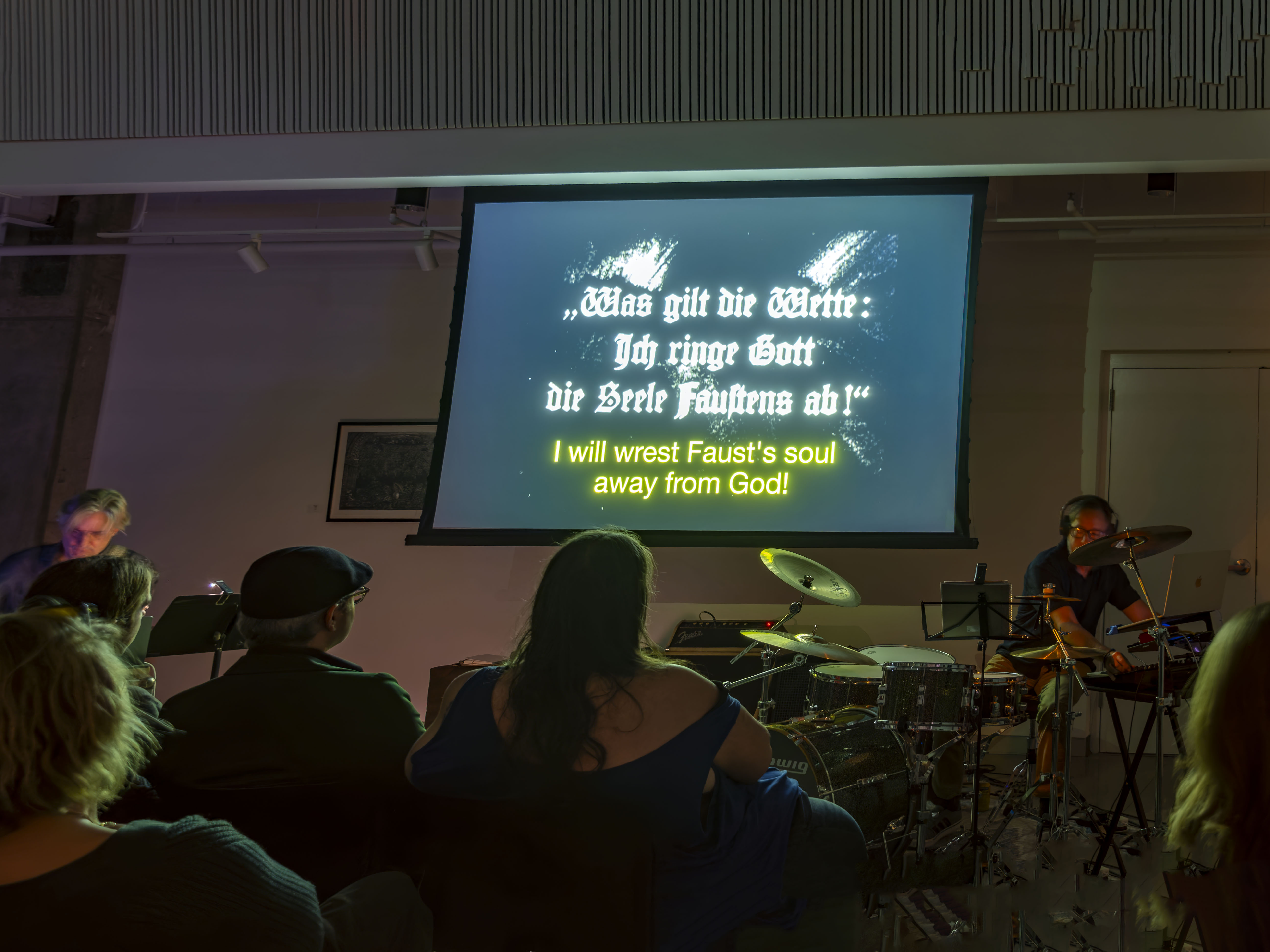
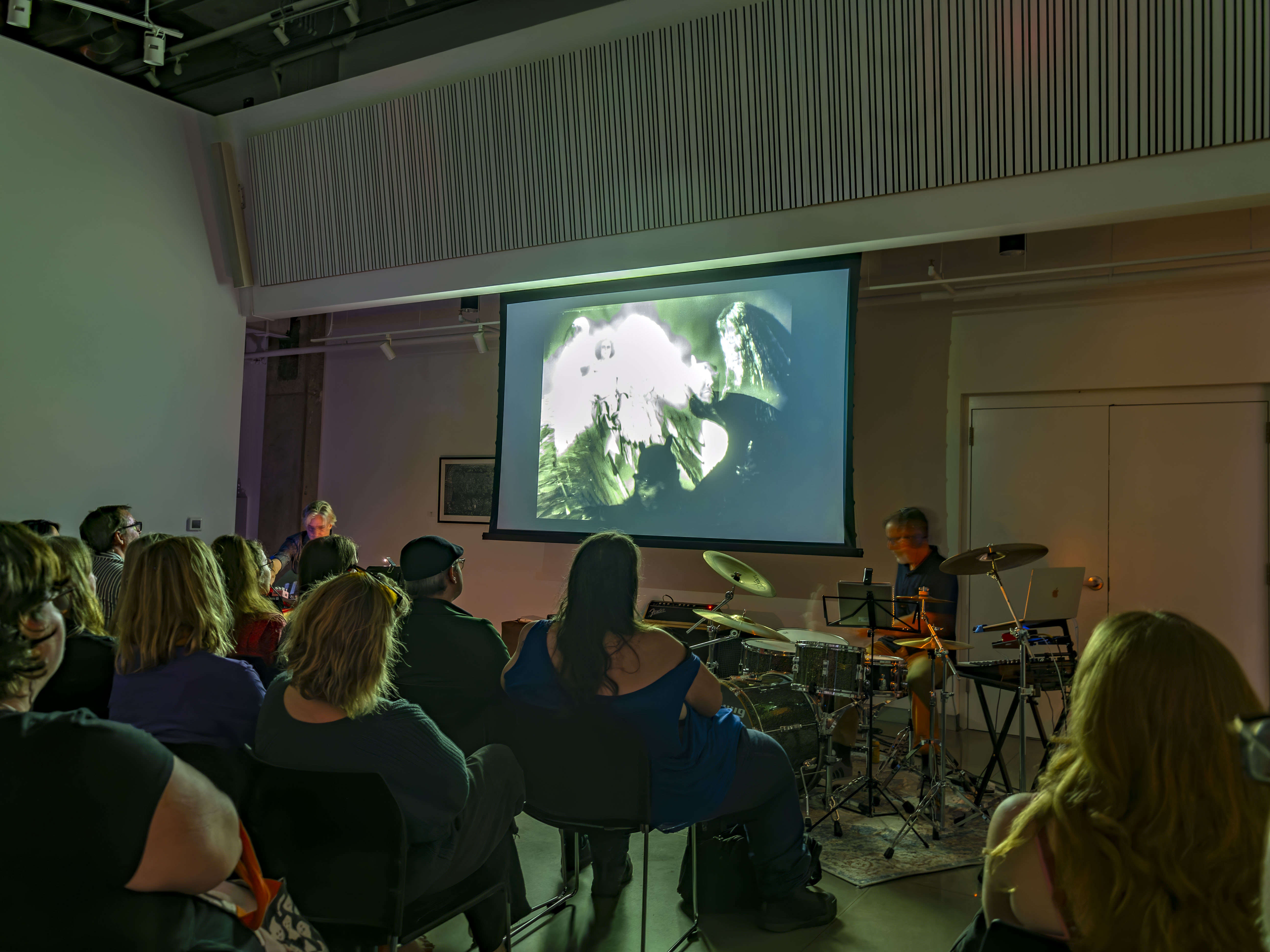
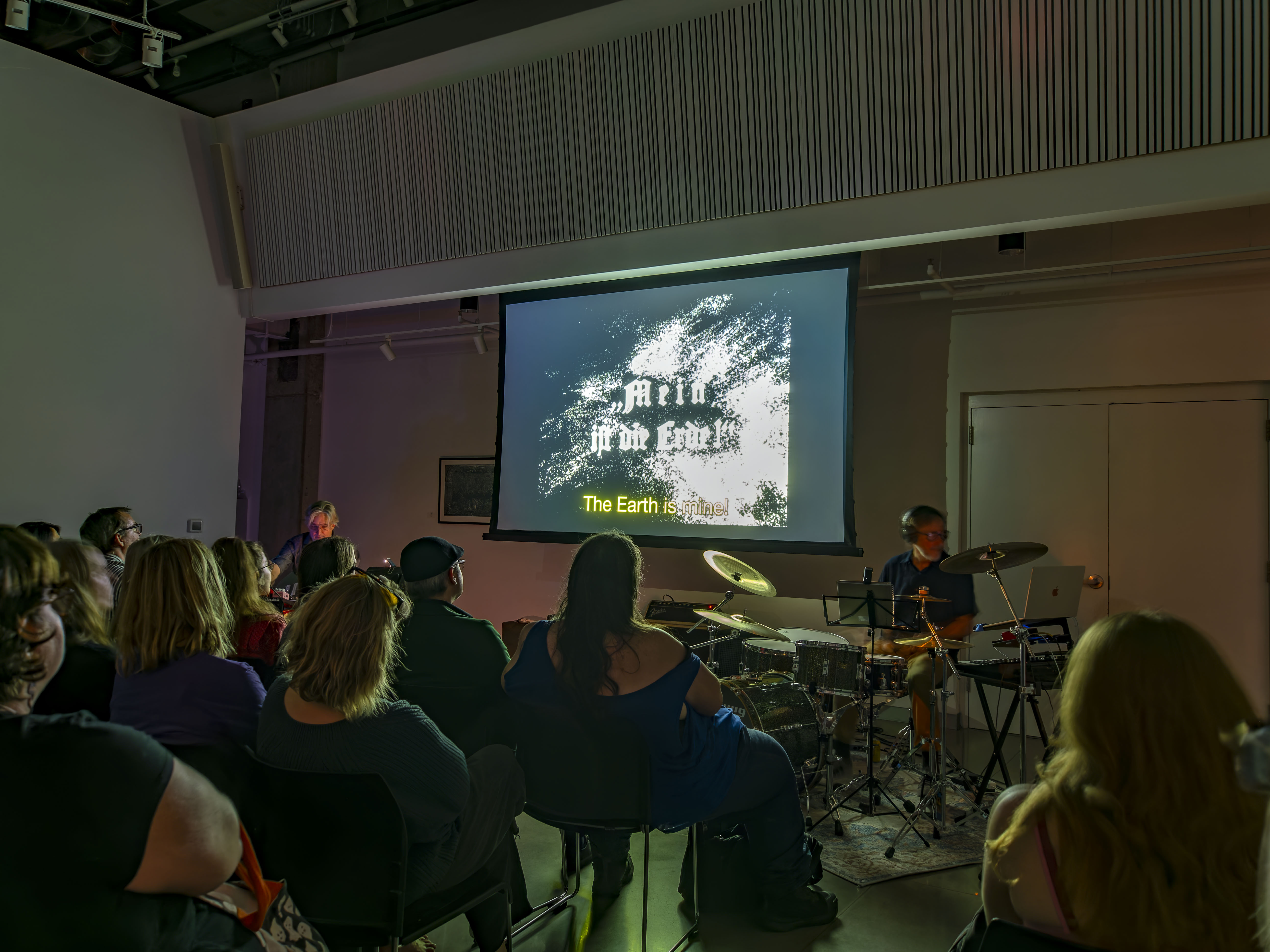
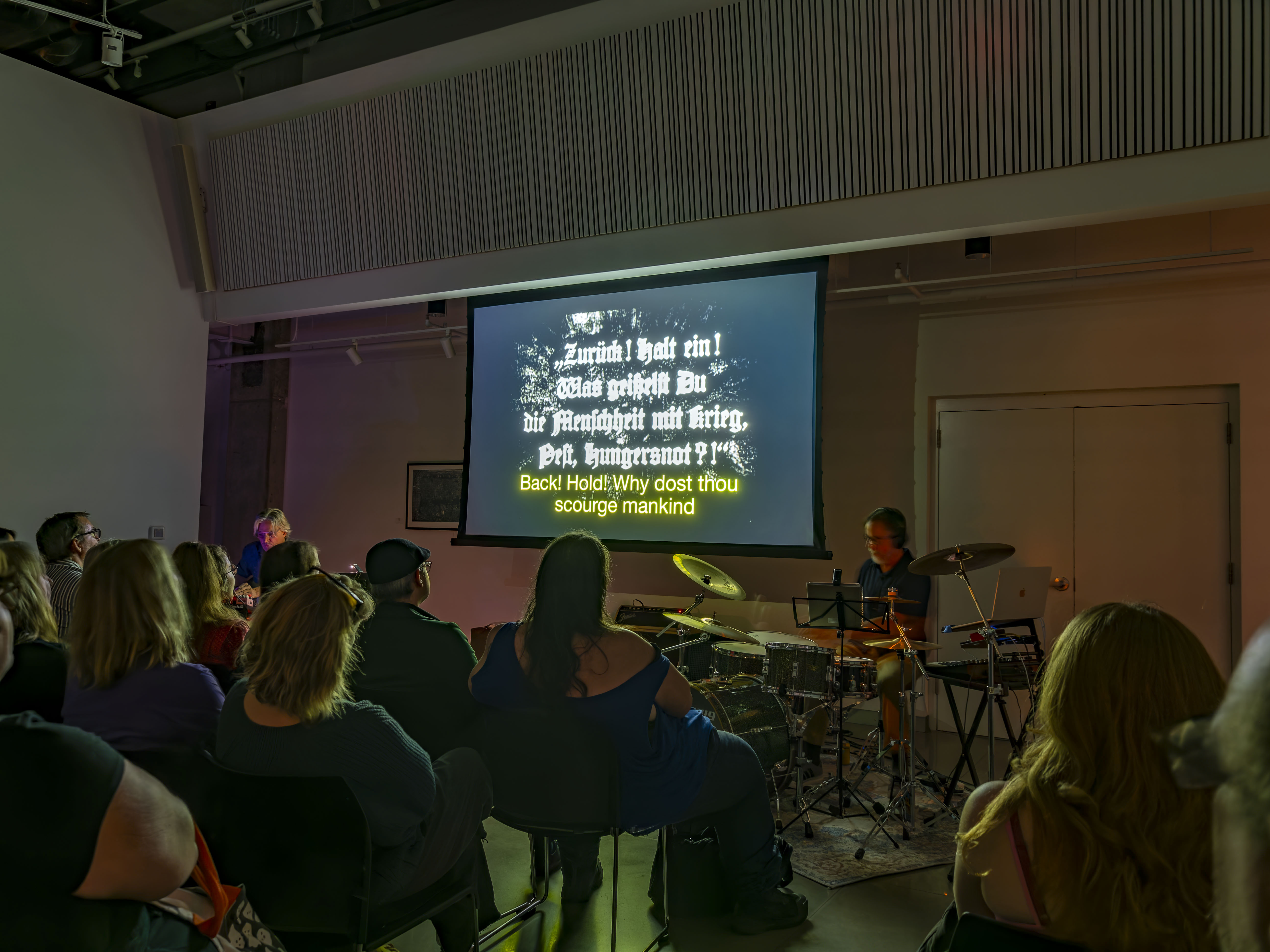
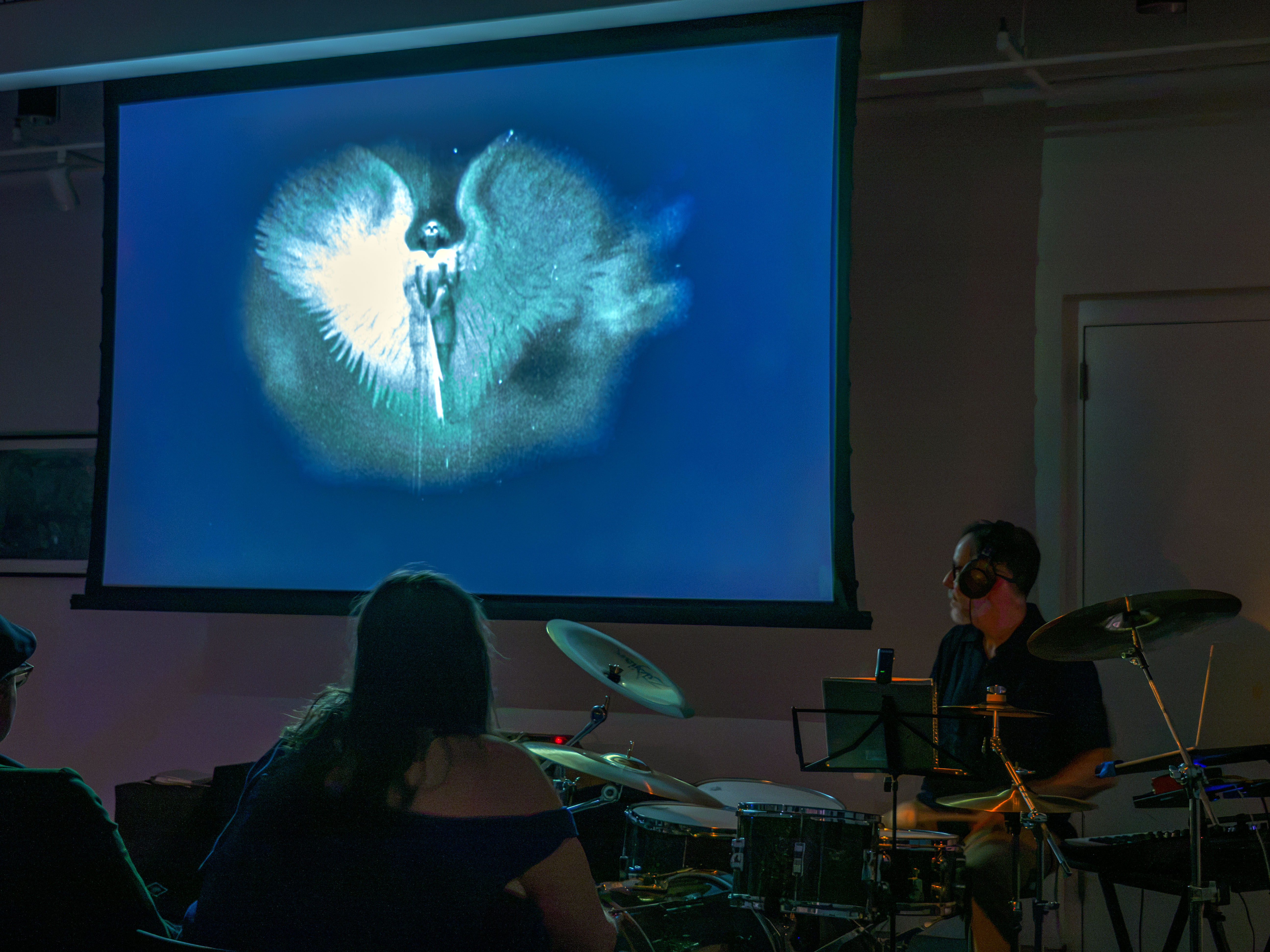
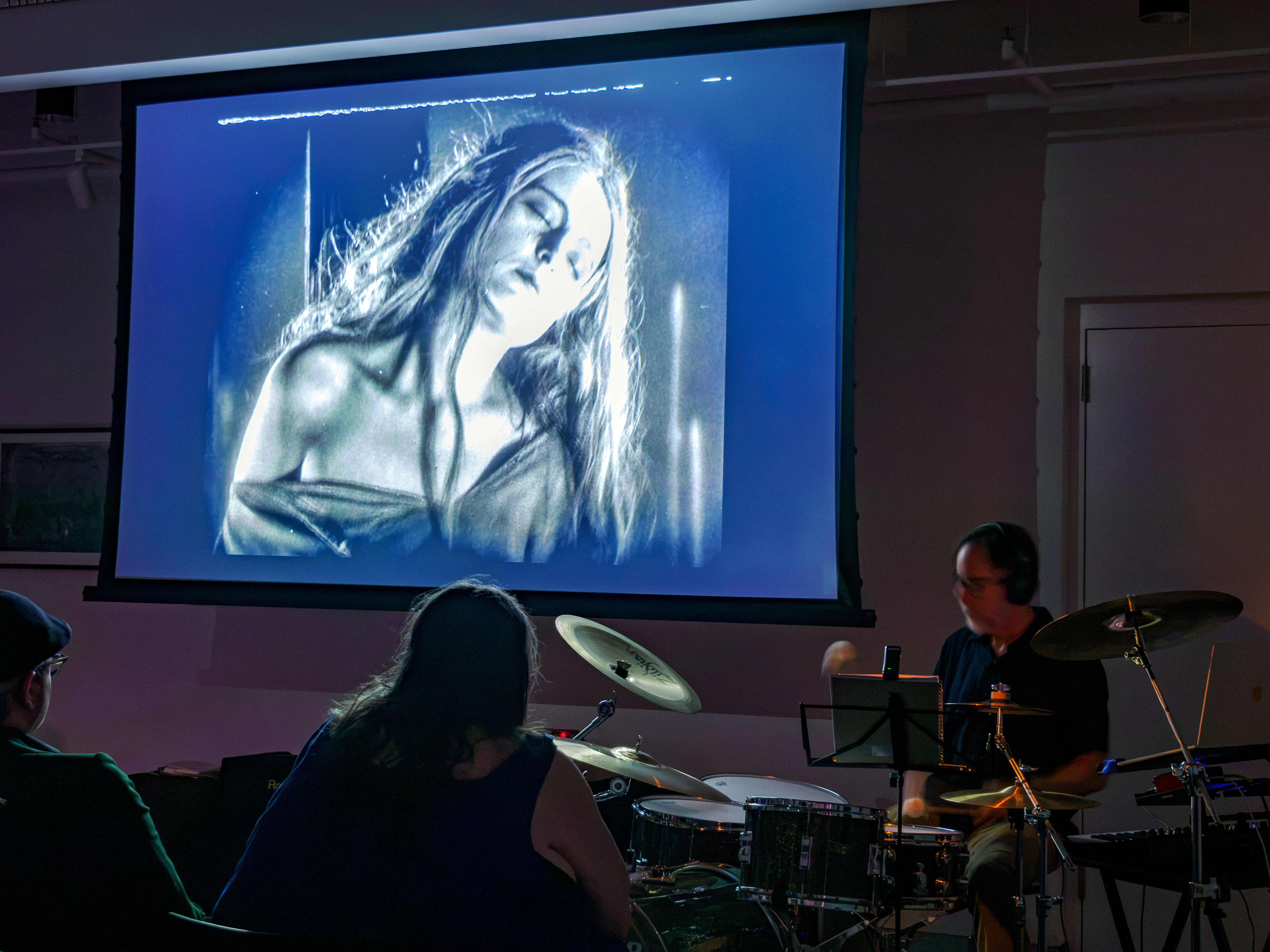
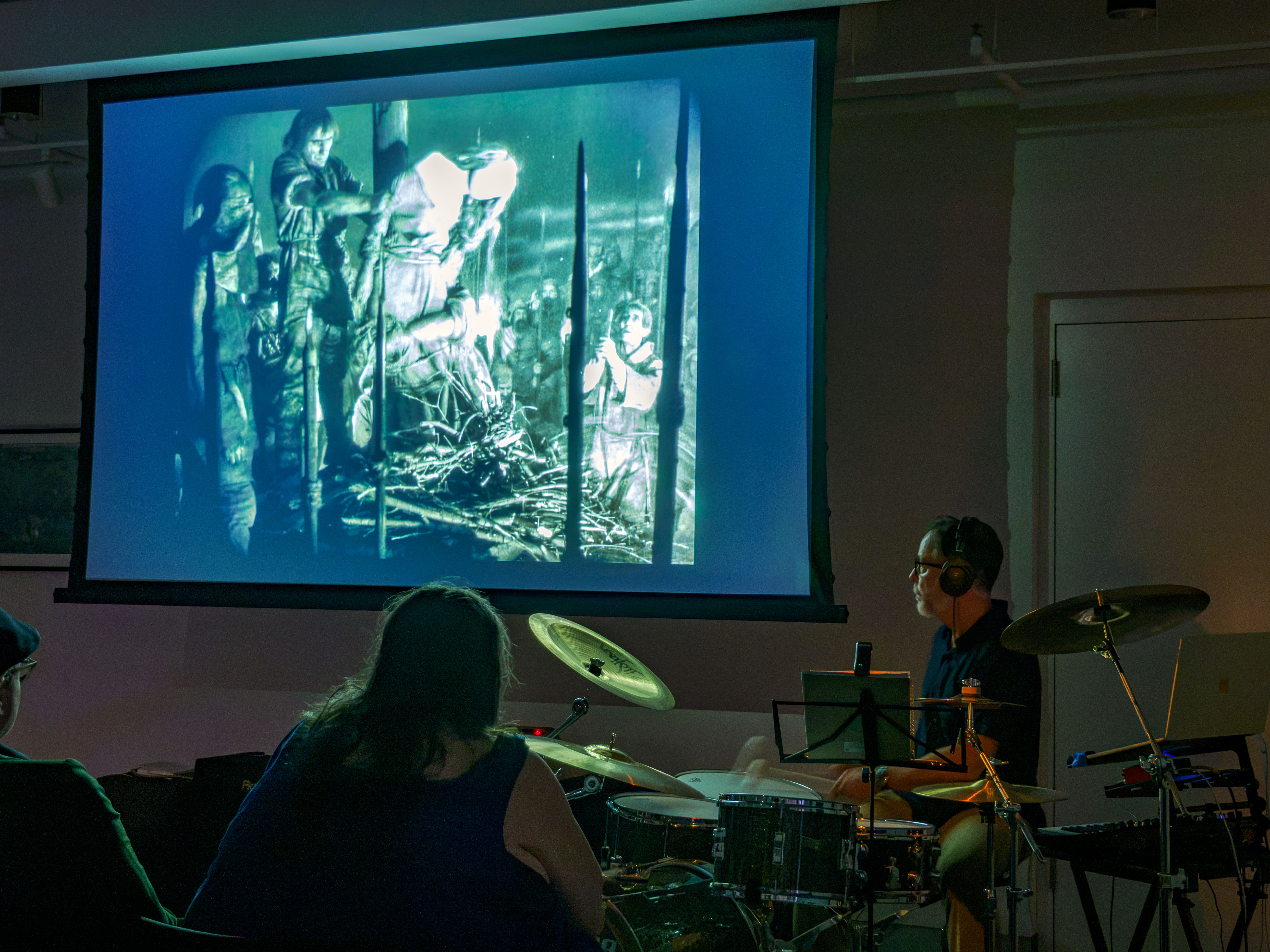
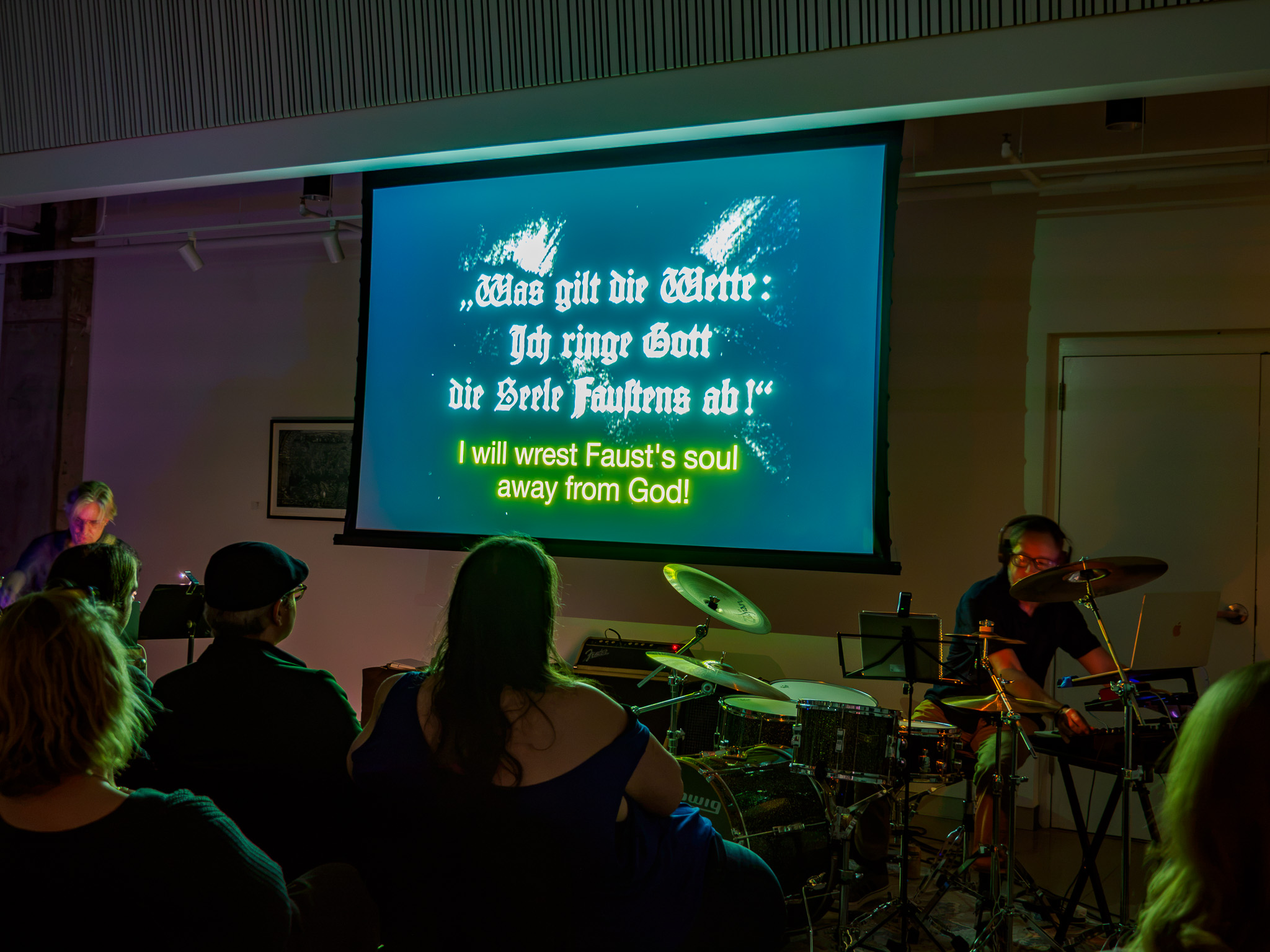
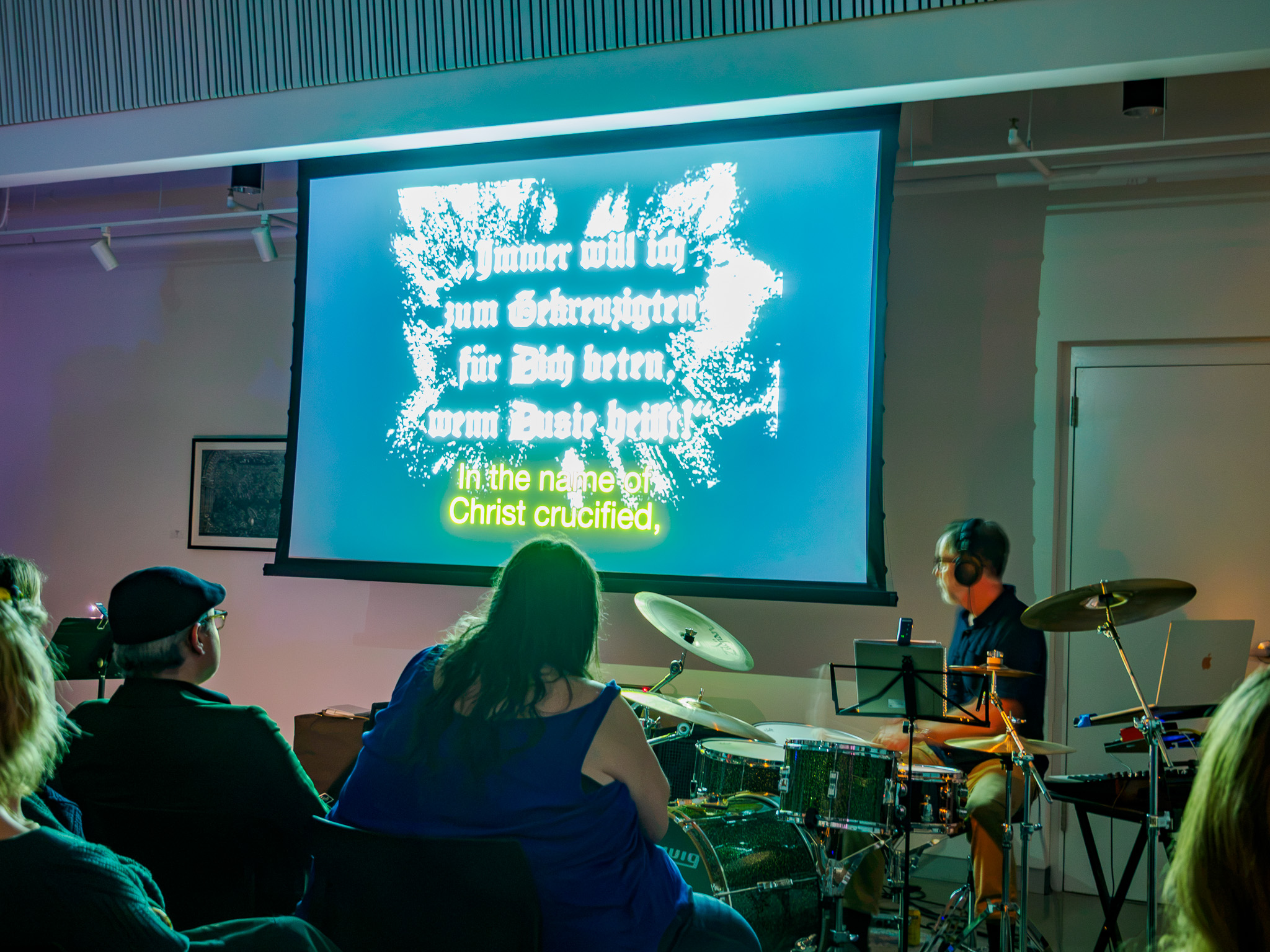
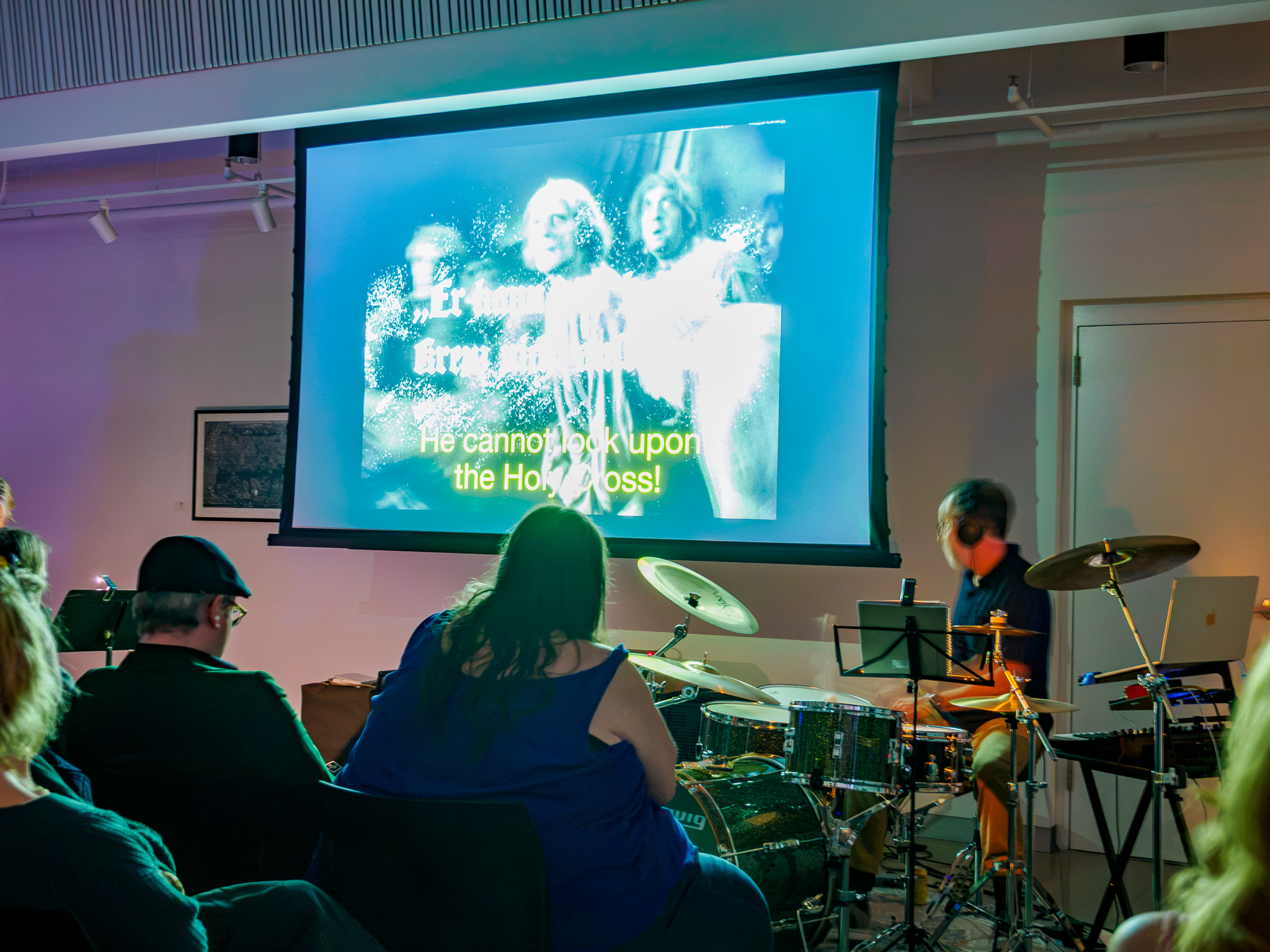
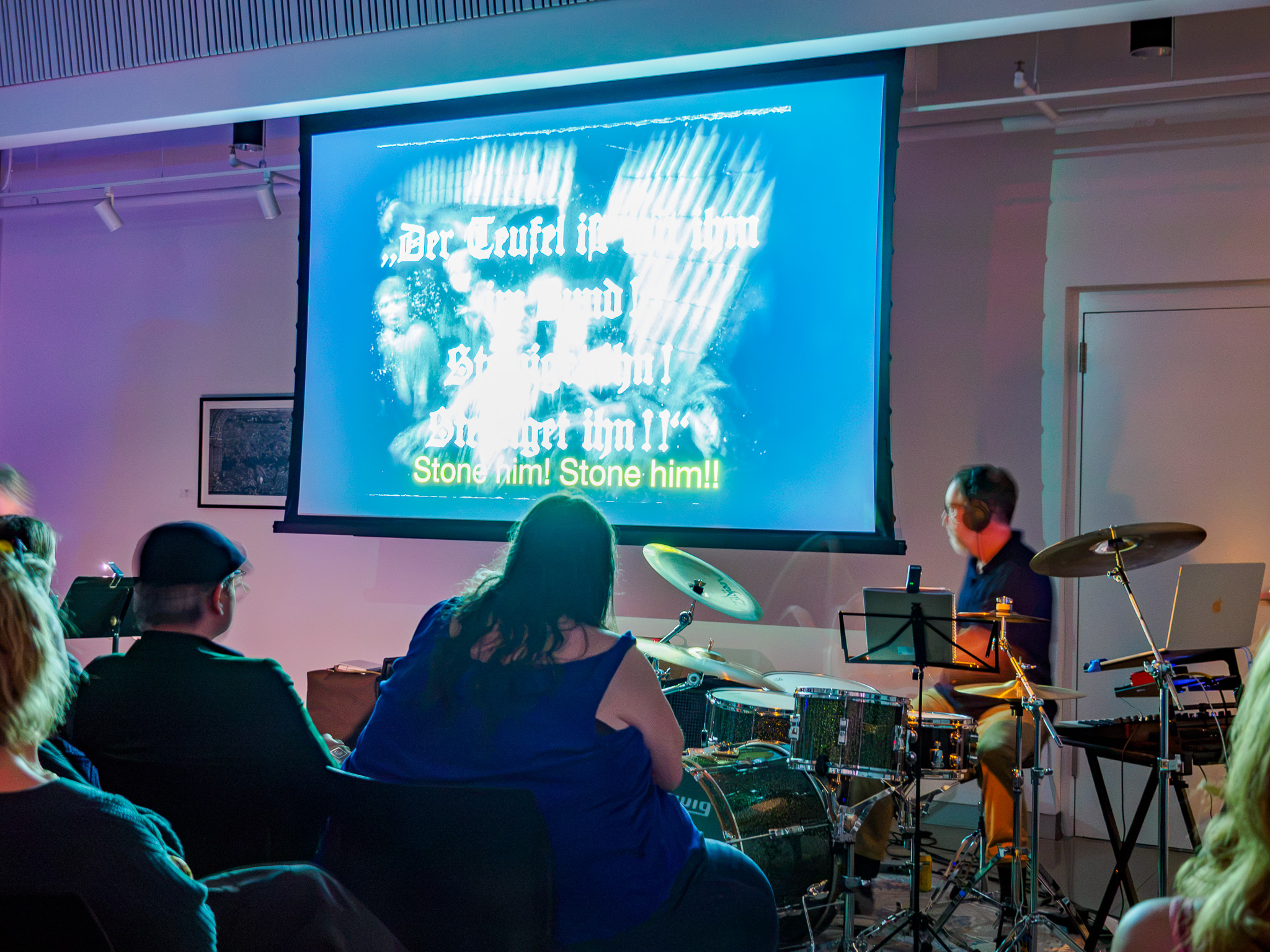
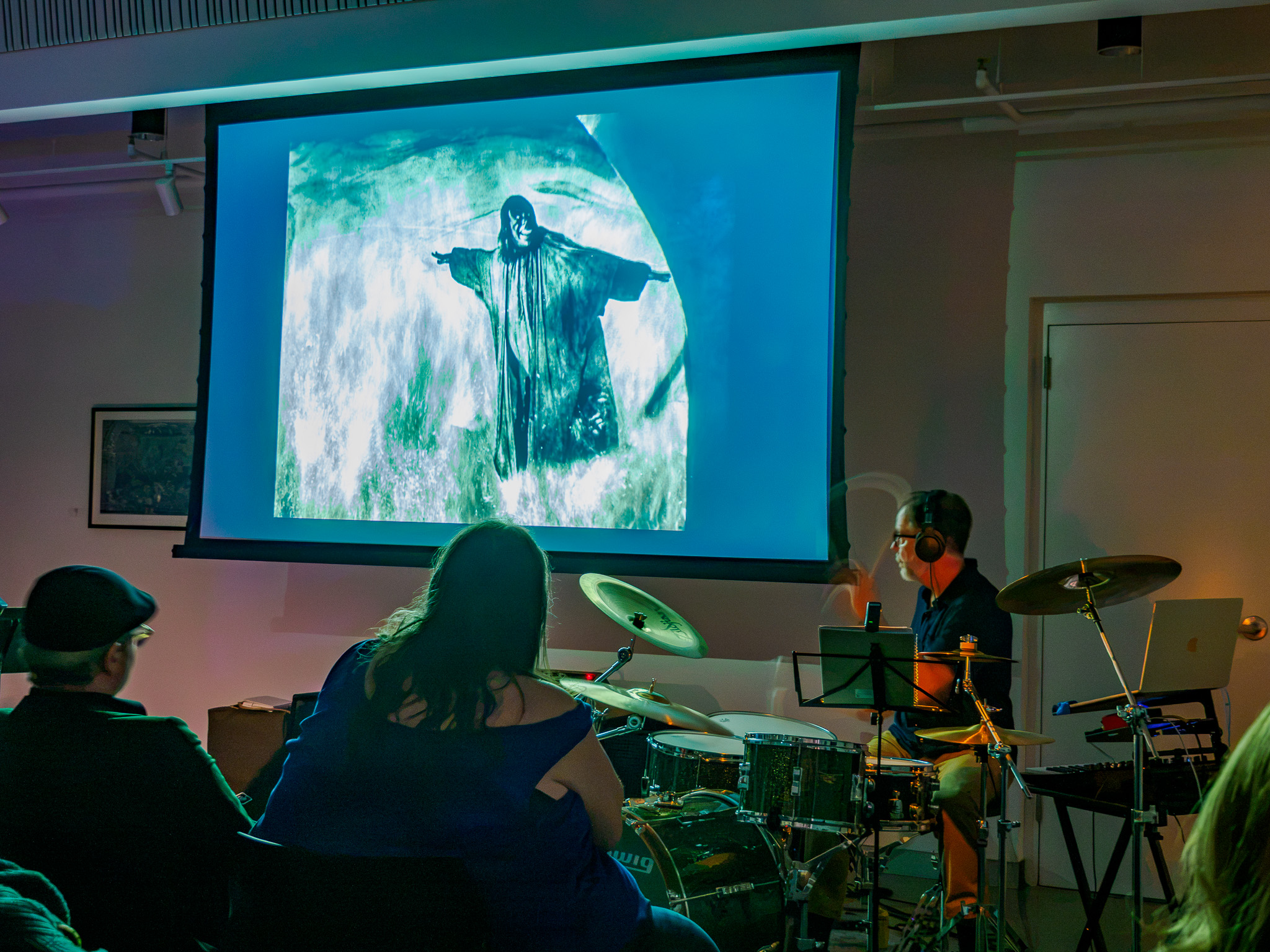
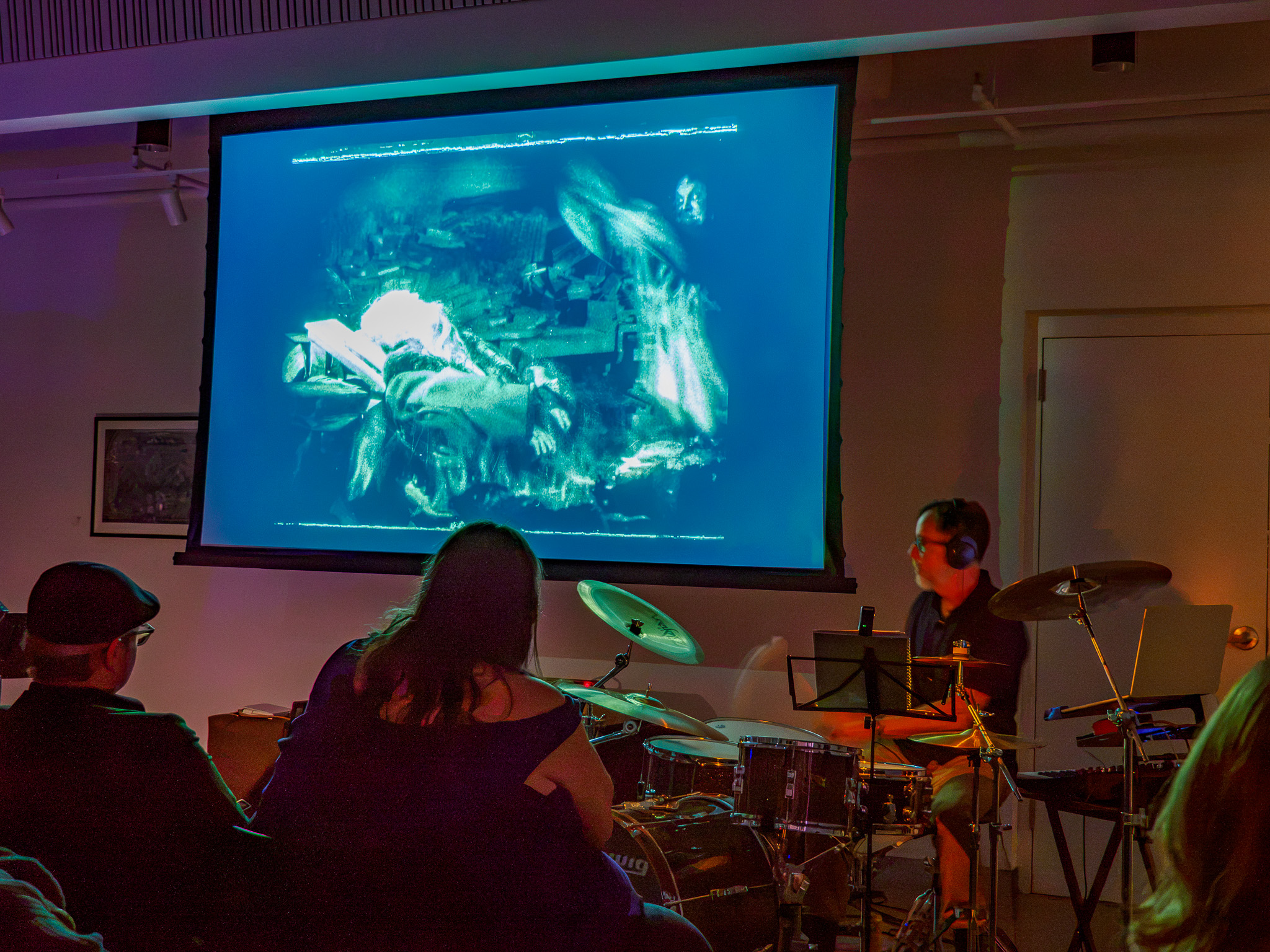
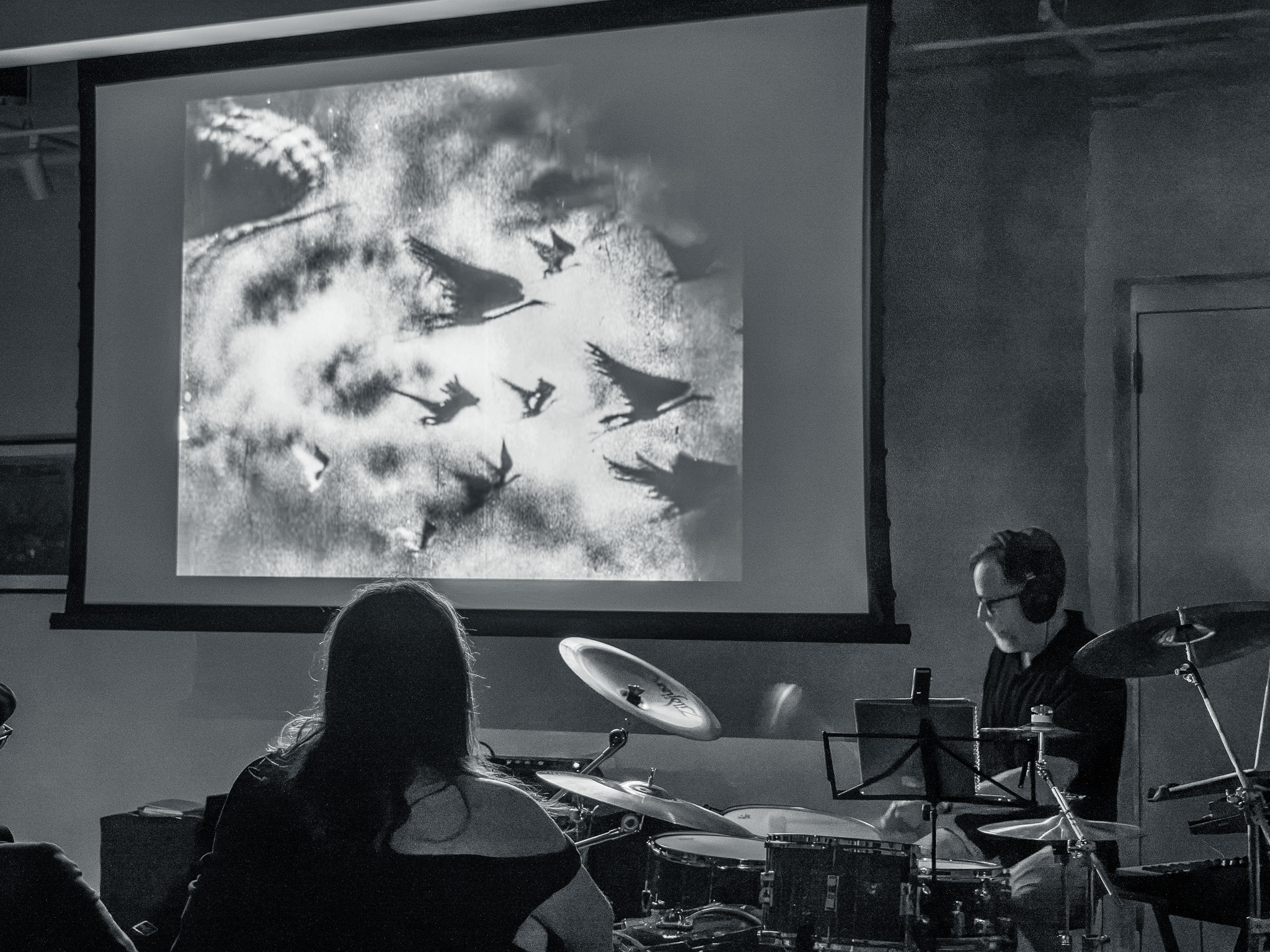
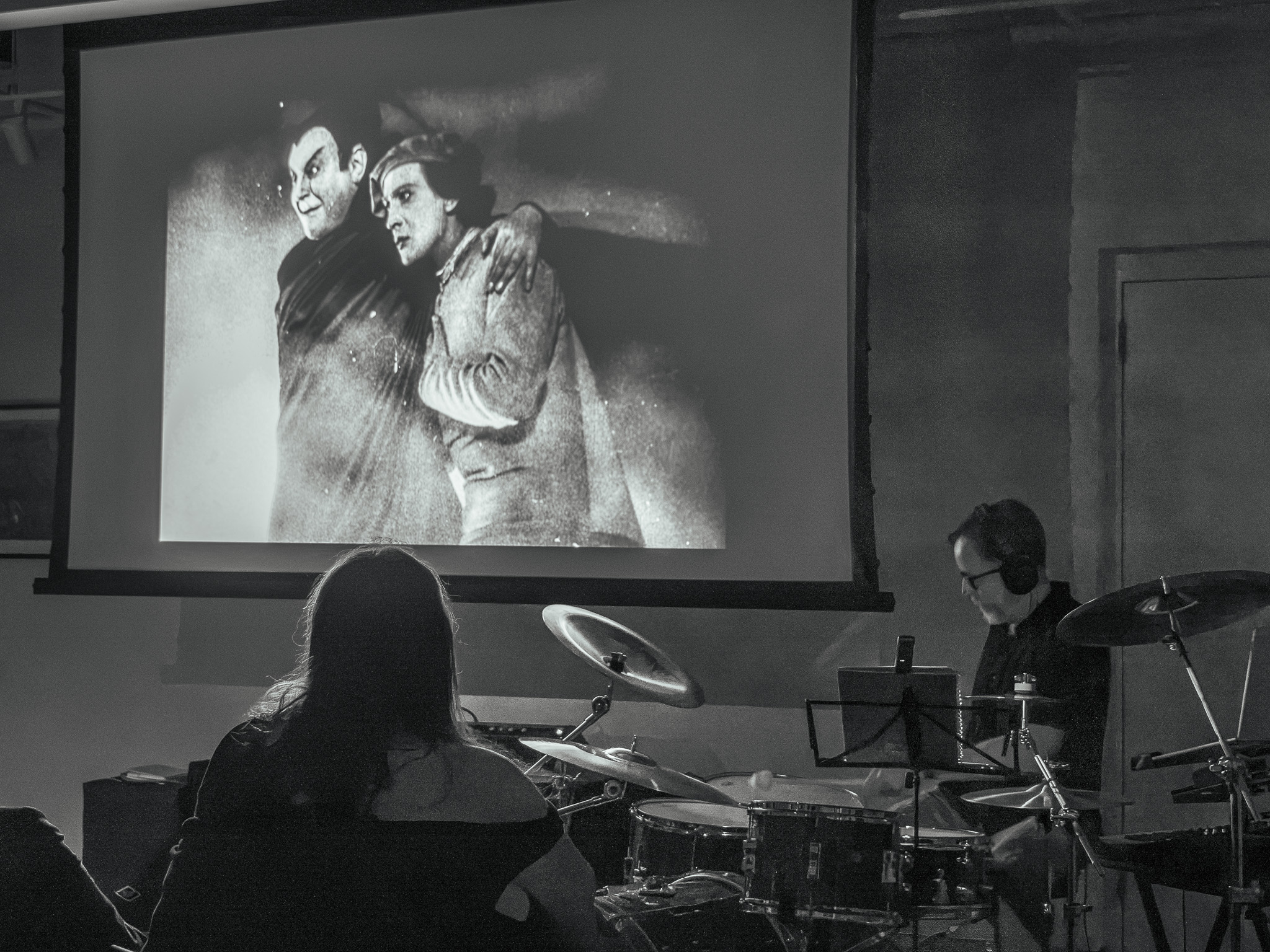
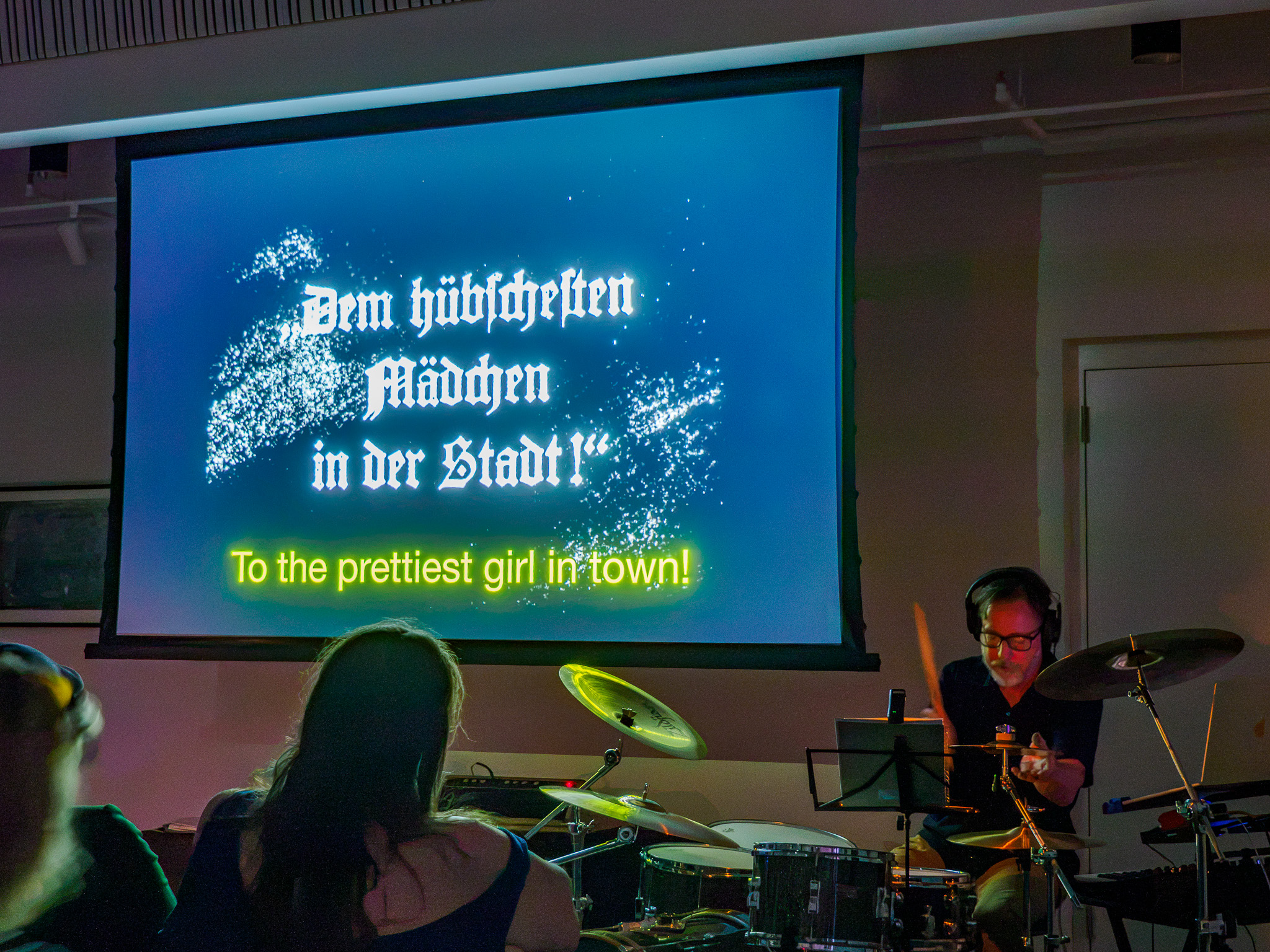
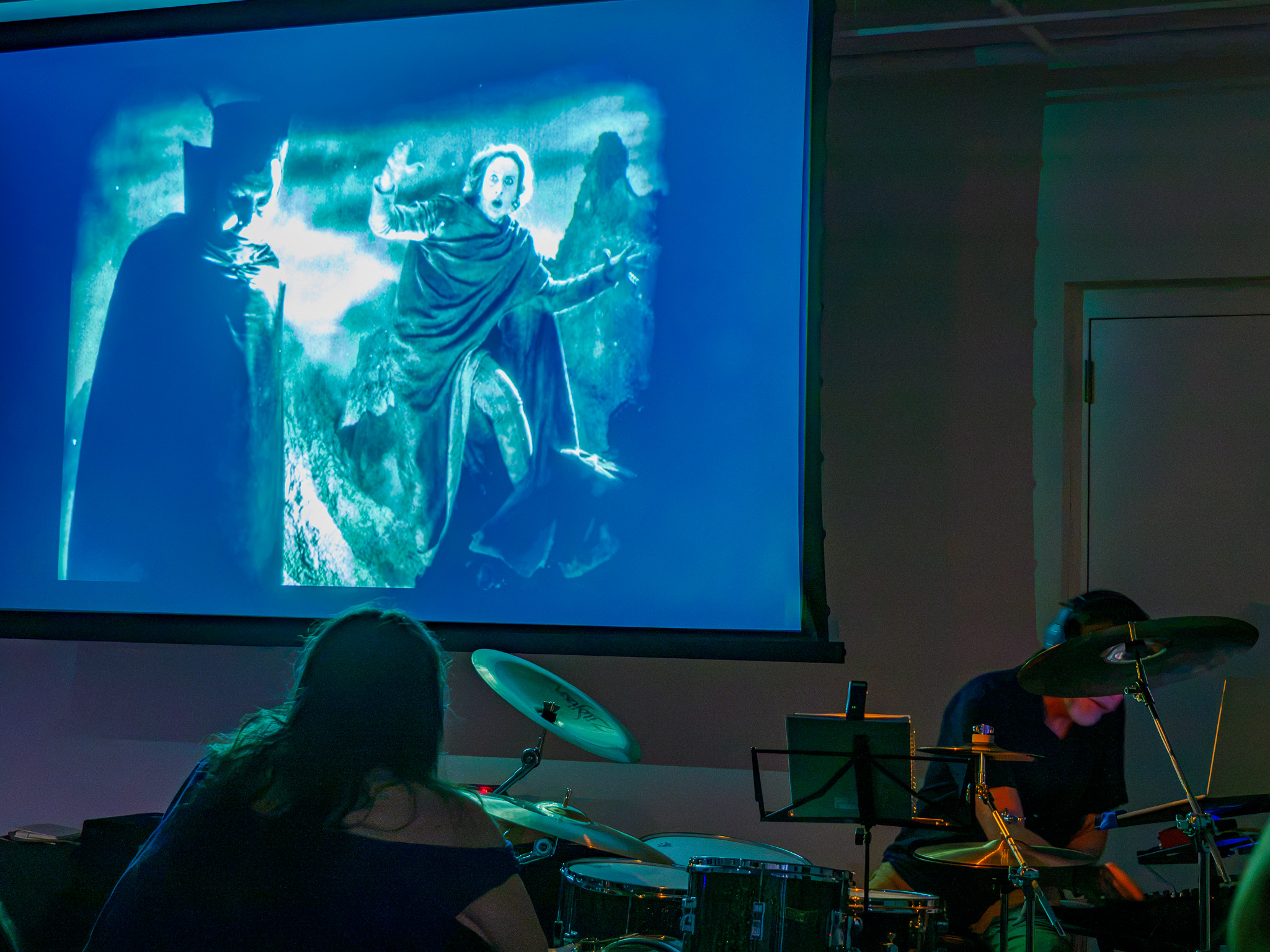
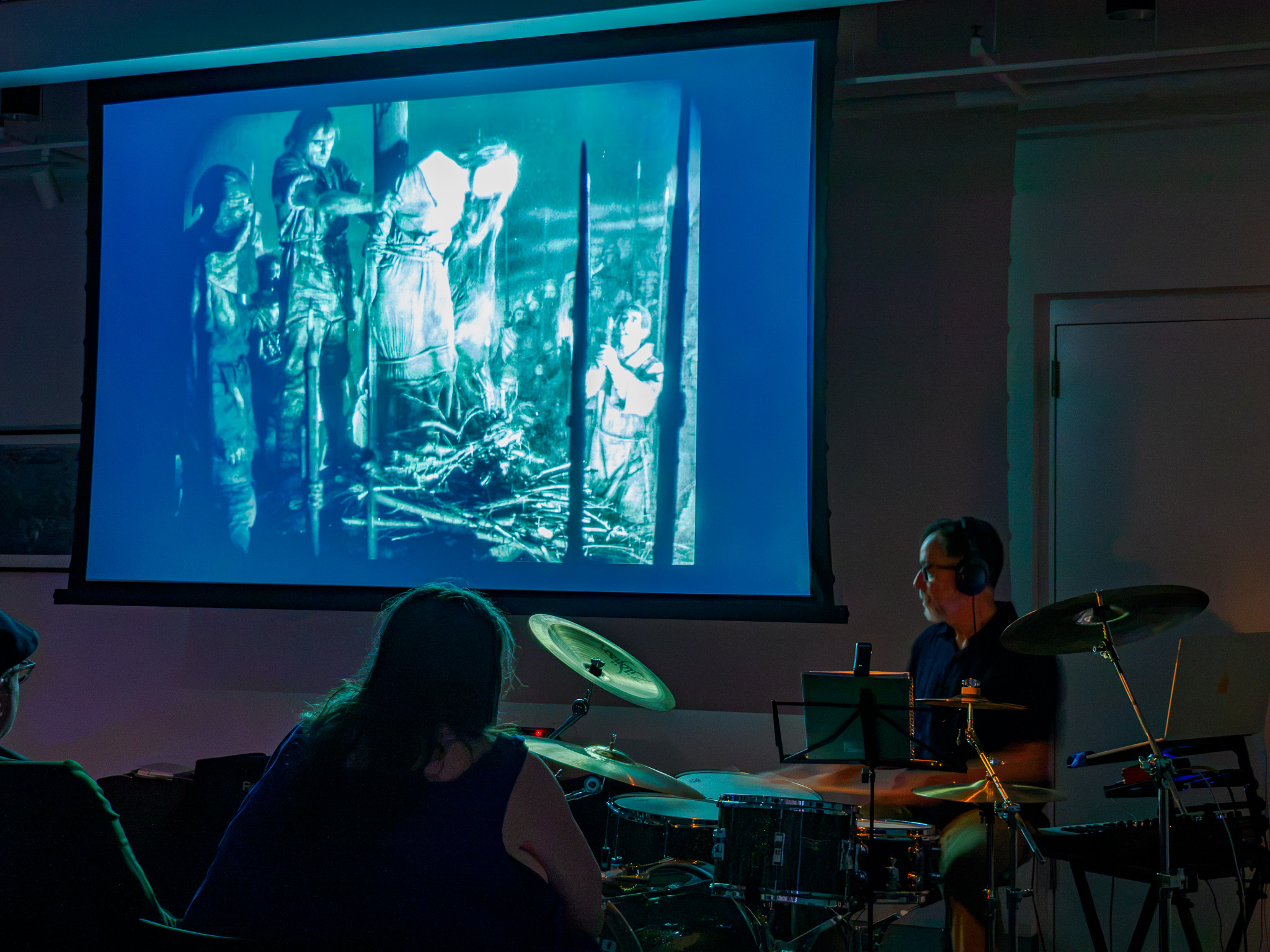
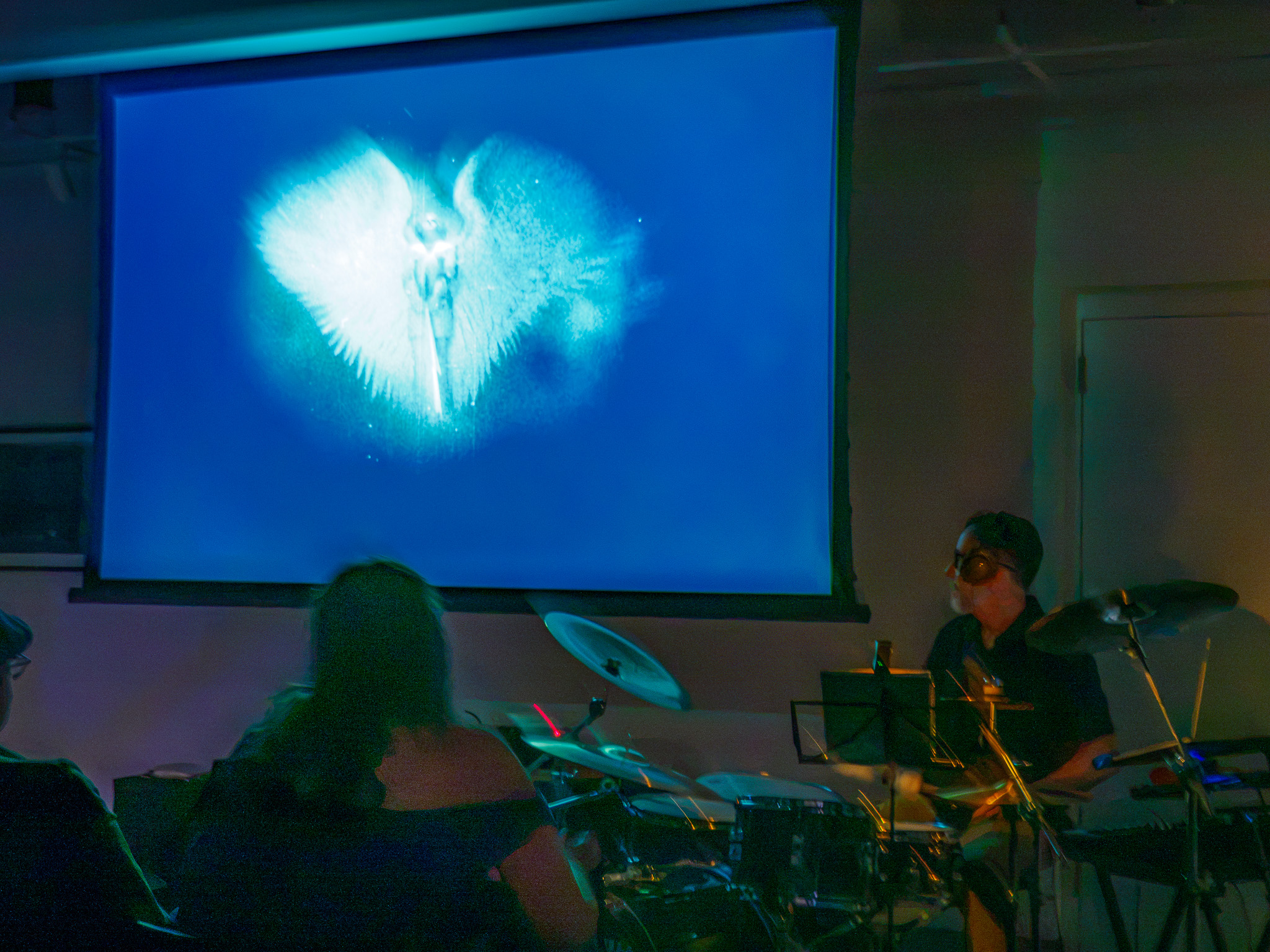
Knowledge versus wisdom: Faust knows a great deal, but learning has not taught him how to live well. The drama explores the tension between intellectual understanding and lived experience without simply rejecting scholarship.
Ambition versus responsibility: His hunger for experience and achievement repeatedly makes other people bear the cost. Gretchen’s tragedy and the deaths of Philemon and Baucis connect personal desire with public harm.
Self-deception: Faust repeatedly tries to distance himself from the evil involved in getting what he wants. Mephistopheles exposes the gap between Faust’s elevated explanations and his actual conduct.
Striving versus contentment: The wager makes satisfaction dangerous, while Faust’s endless dissatisfaction also drives destruction. Goethe presents this tension rather than resolving it into a straightforward rule.
Redemption: The ending asks whether love and grace can reach a person whose life includes profound moral failures.
a pact whereby a person trades something of supreme moral or spiritual importance, such as personal values or the soul, for some worldly or material benefit, such as knowledge, power, or riches. The term refers to the legend of Faust (or Faustus, or Doctor Faustus), a character in German folklore and literature, who agrees to surrender his soul to an evil spirit (in some treatments, Mephistopheles, or Mephisto, a representative of Satan) after a certain period of time in exchange for otherwise unattainable knowledge and magical powers that give him access to all the world’s pleasures.