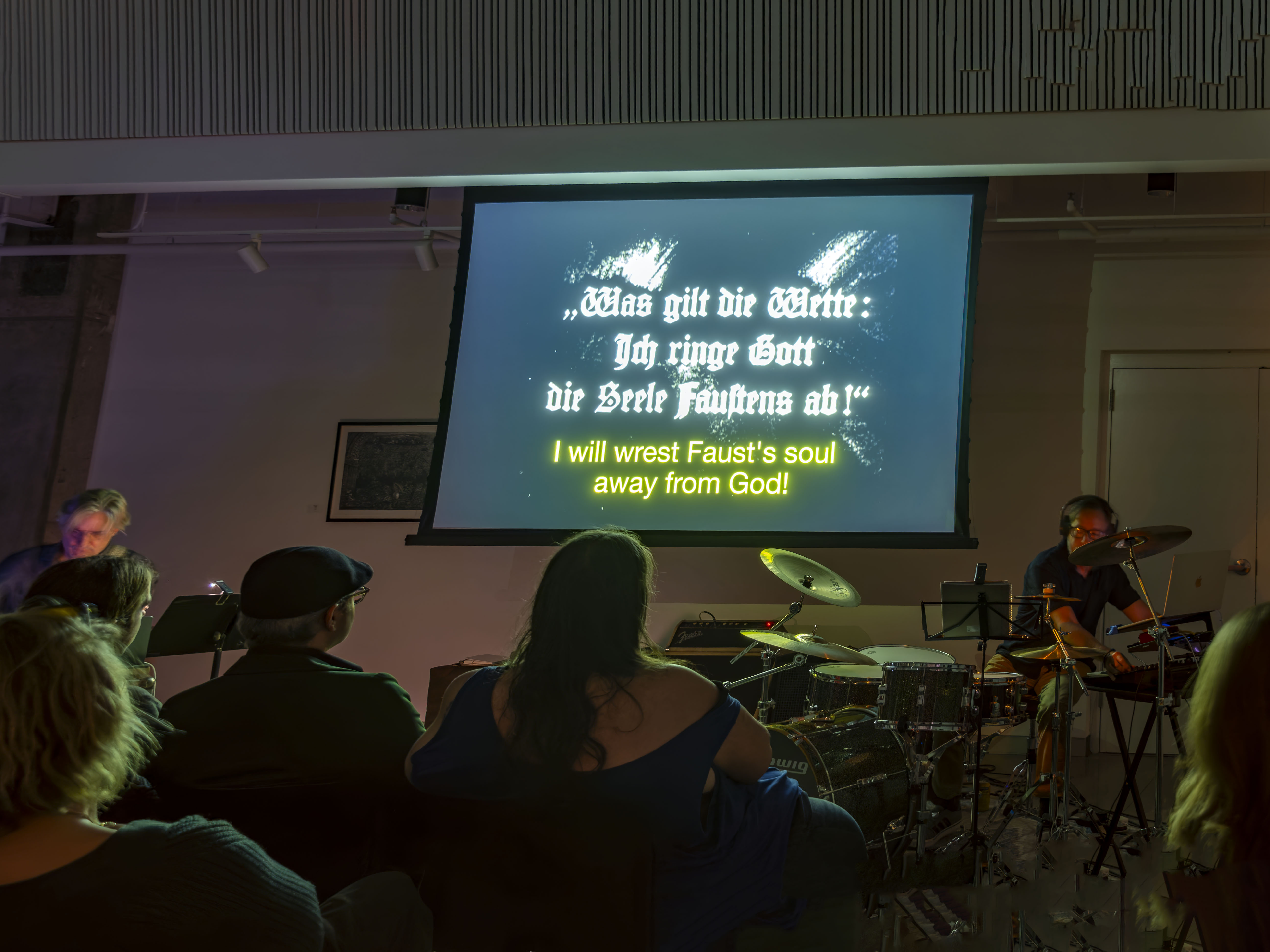





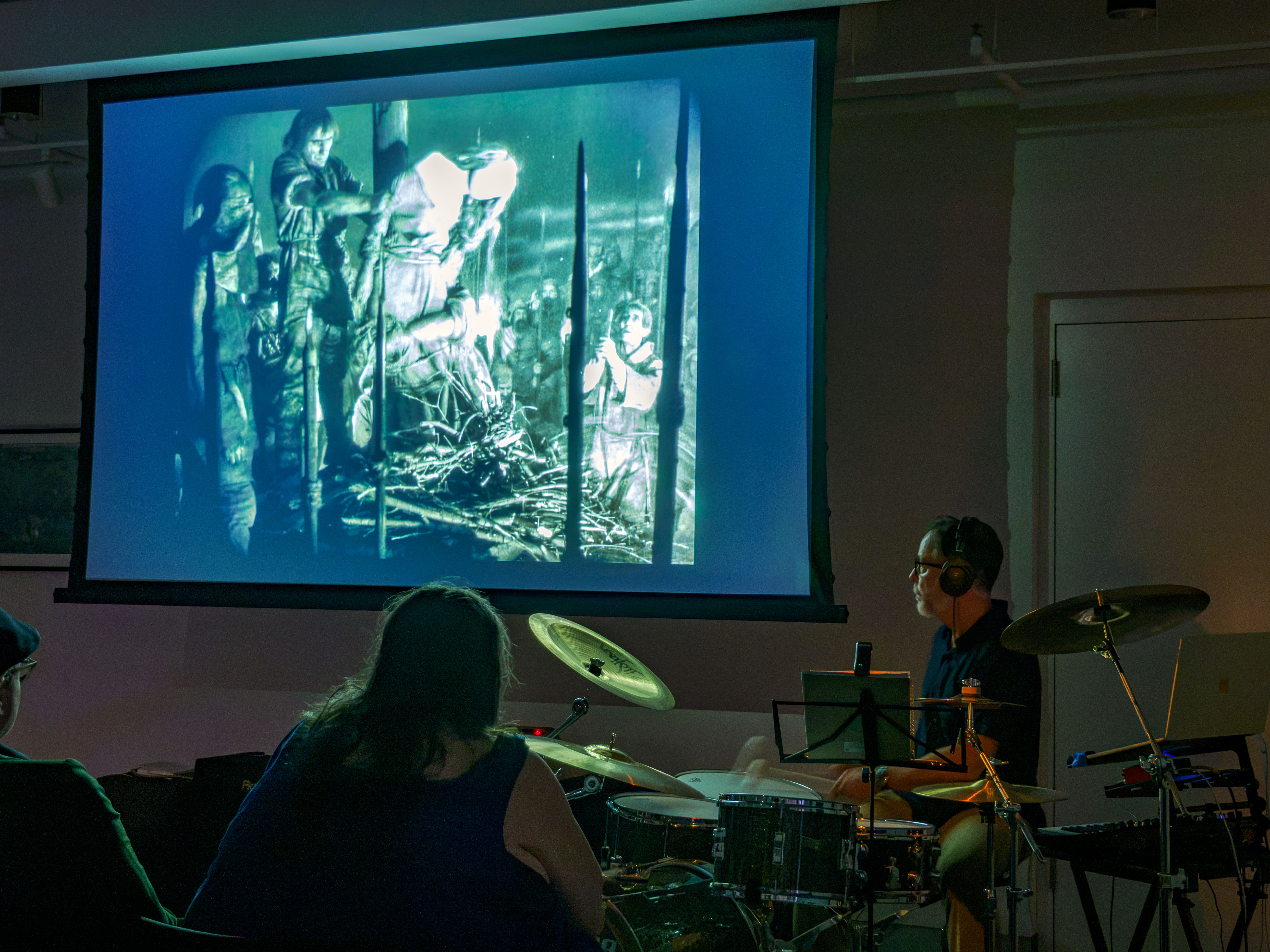





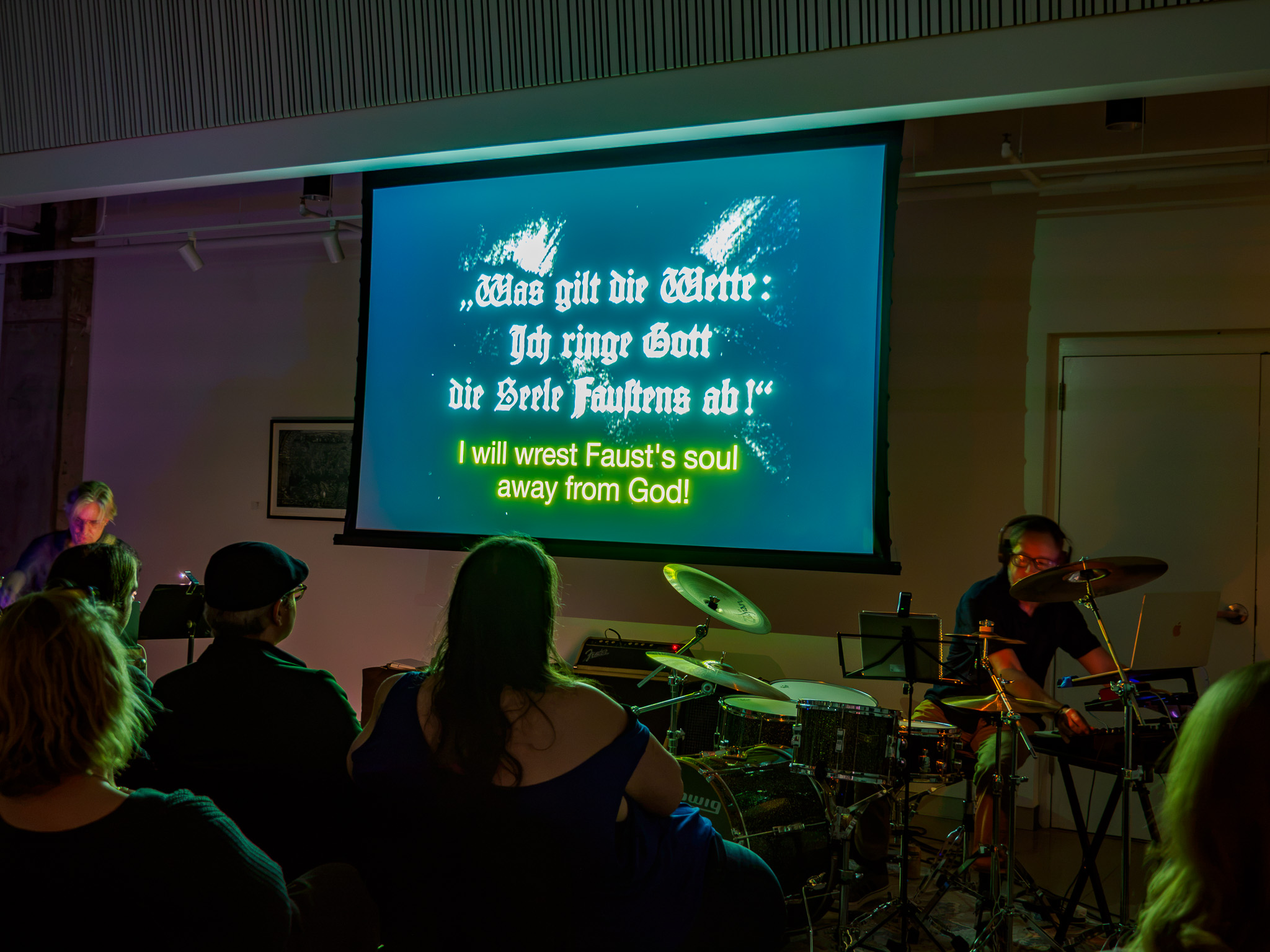










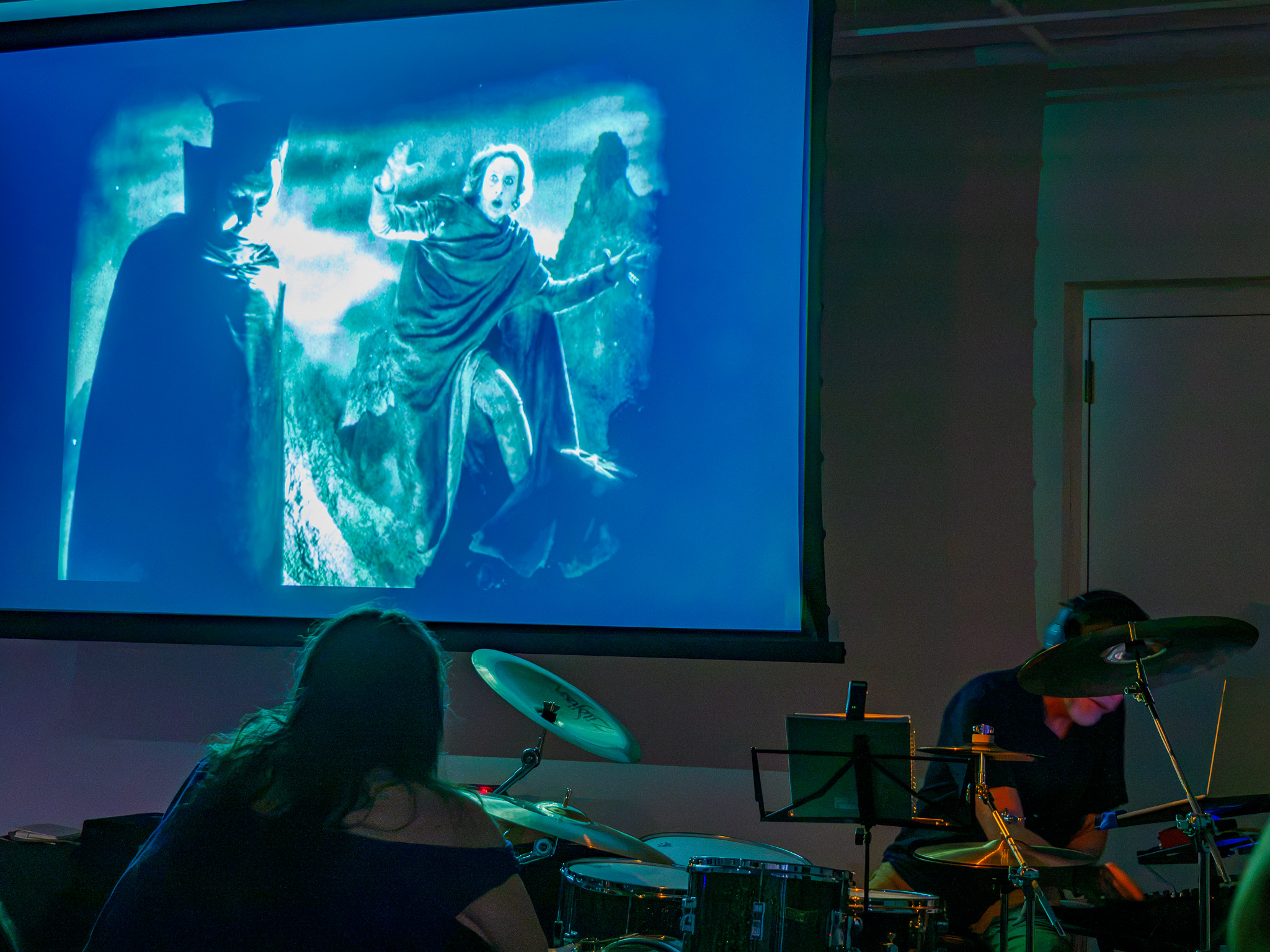
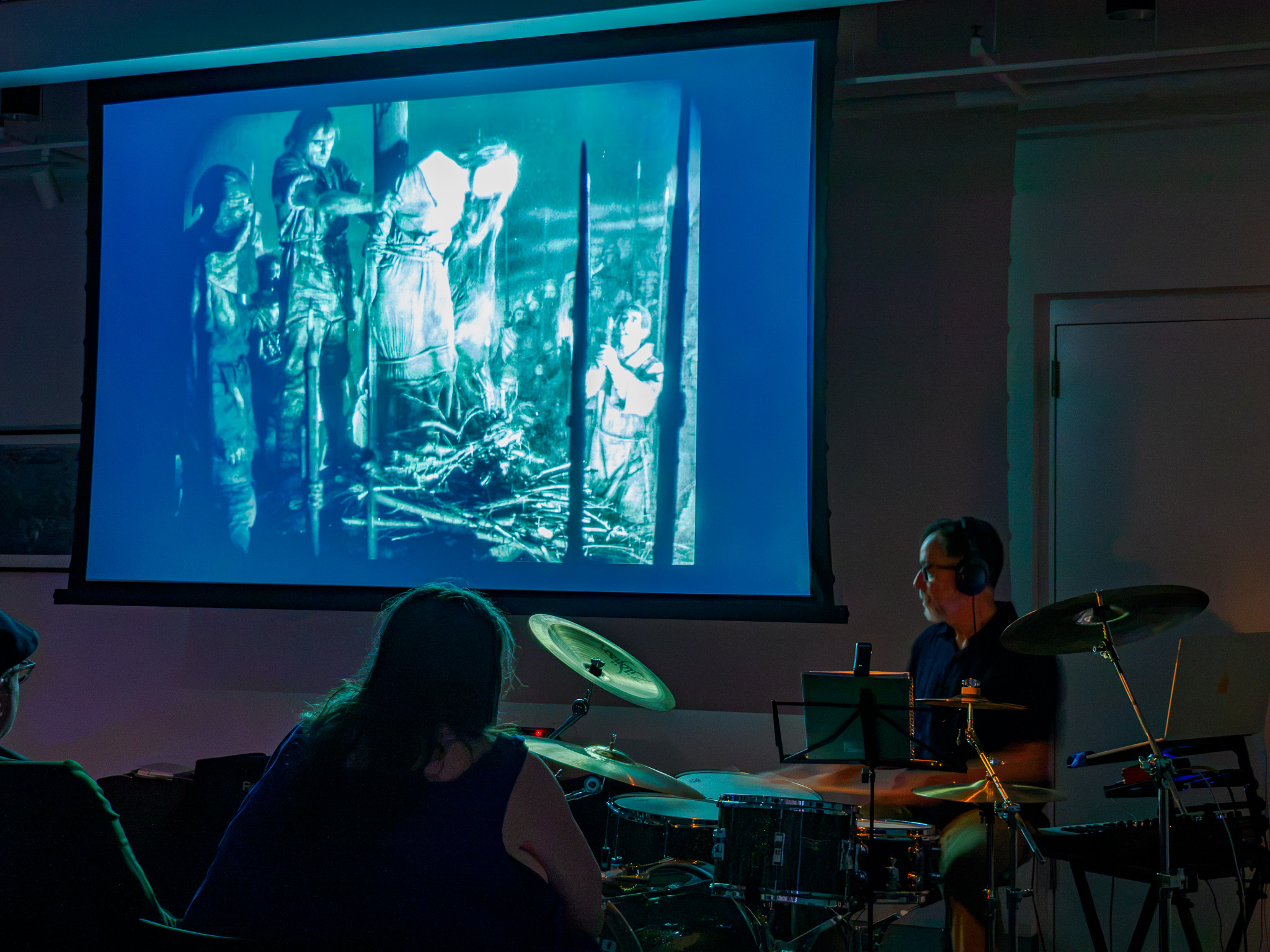
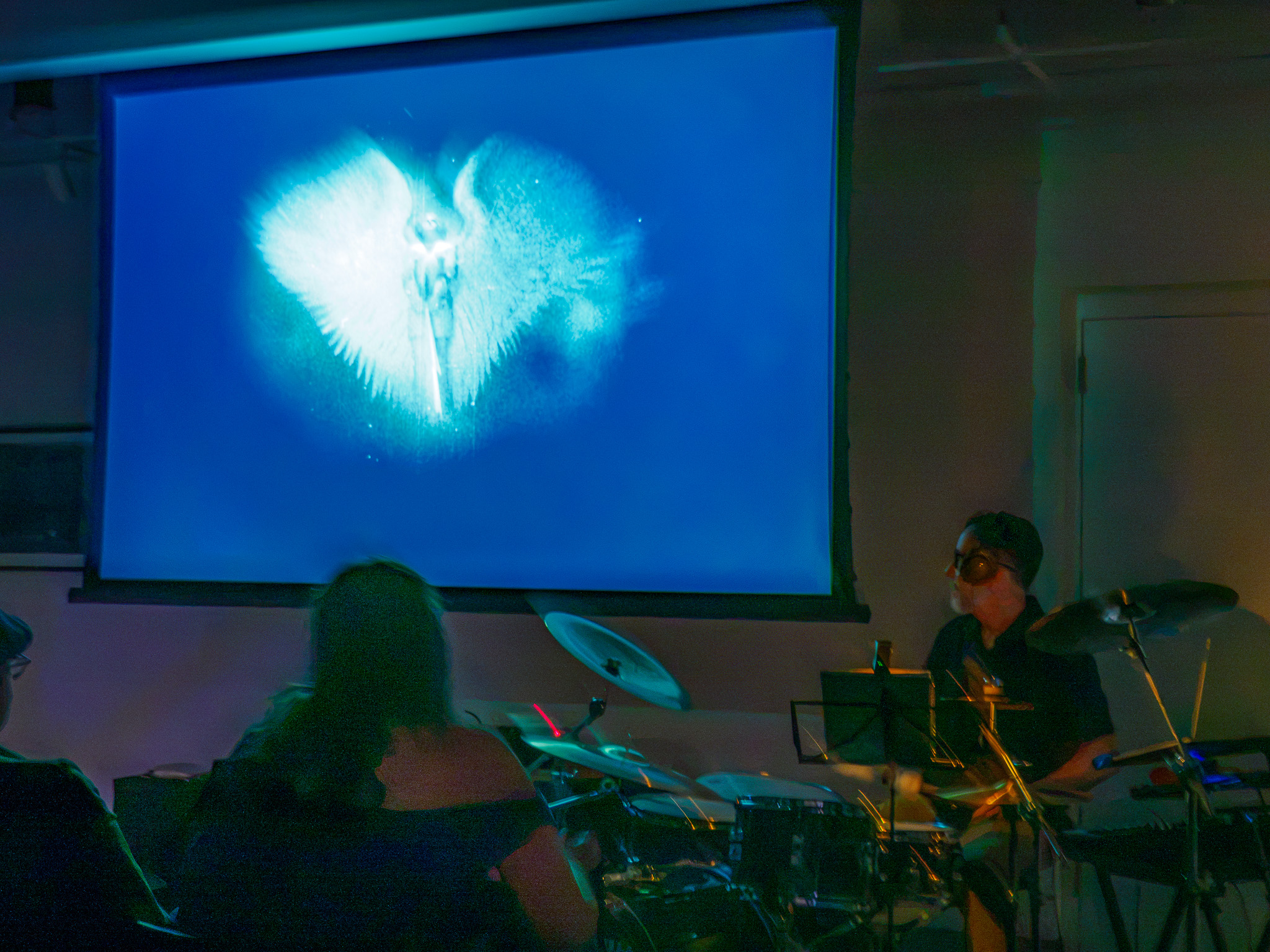
The main themes, via Perplexity:
Knowledge versus wisdom: Faust knows a great deal, but learning has not taught him how to live well. The drama explores the tension between intellectual understanding and lived experience without simply rejecting scholarship.
Ambition versus responsibility: His hunger for experience and achievement repeatedly makes other people bear the cost. Gretchen’s tragedy and the deaths of Philemon and Baucis connect personal desire with public harm.
Self-deception: Faust repeatedly tries to distance himself from the evil involved in getting what he wants. Mephistopheles exposes the gap between Faust’s elevated explanations and his actual conduct.
Striving versus contentment: The wager makes satisfaction dangerous, while Faust’s endless dissatisfaction also drives destruction. Goethe presents this tension rather than resolving it into a straightforward rule.
Redemption: The ending asks whether love and grace can reach a person whose life includes profound moral failures.
Faustian Bargain:
a pact whereby a person trades something of supreme moral or spiritual importance, such as personal values or the soul, for some worldly or material benefit, such as knowledge, power, or riches. The term refers to the legend of Faust (or Faustus, or Doctor Faustus), a character in German folklore and literature, who agrees to surrender his soul to an evil spirit (in some treatments, Mephistopheles, or Mephisto, a representative of Satan) after a certain period of time in exchange for otherwise unattainable knowledge and magical powers that give him access to all the world’s pleasures.
Art + Literature Laboratory Madison.
Explore Madison in amuz.